
Gemfields has sold its entire stake in luxury jewellery brand Fabergé to US-based SMG Capital for US$50 million, a figure that industry observers say is “surprisingly low” for a heritage brand.
As of December, Fabergé’s net assets stood at $50.35 million, with operating and net losses of $5.7 million and $11.3 million, respectively. These results likely pressured the sale price.
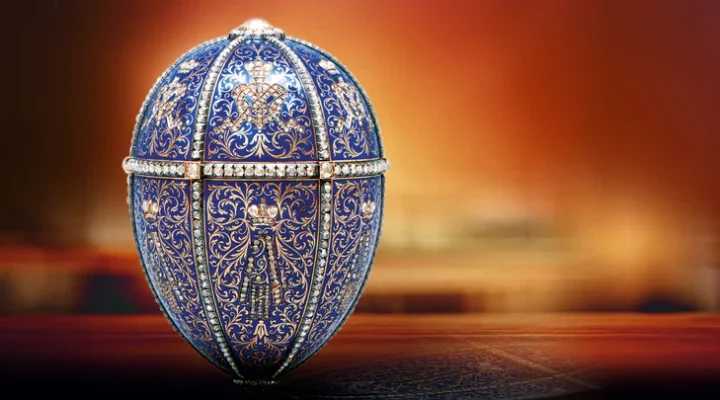
Its most expensive creation, the Third Imperial Easter Egg, was made in 1887. The solid gold case is set with sapphires and diamonds and encloses a woman’s watch with diamond-set gold hands. Once valued at $33 million, it remains in the possession of an anonymous private collector.
Under the deal, Gemfields will receive $45 million when the sale closes, expected at the end of August. The remaining $5 million will be paid through quarterly royalties worth 8 per cent of Fabergé’s revenue. The sale does not require any regulatory or other approvals.
The company said the sale will allow it to focus on its core coloured gemstone mining operations, including the ramp-up of a new ruby processing plant in Mozambique and the expansion of emerald mining in Zambia.
“Today’s sale marks the end of an era for us,” said Sean Gilbertson, CEO, Gemfields Group. “Brands as iconic and beautiful as Fabergé do not change hands very often, and we wish the team and Mr Mosunov every success.”
SMG Capital is owned by tech entrepreneur and venture capitalist Sergei Mosunov, who said the Fabergé brand would continue to focus on jewellery, accessories and timepieces.
“We look forward to providing exceptional service to its existing customers while welcoming new brand aficionados,” he added.
Established in 1842 in St Petersburg, Russia, Fabergé is best known for its ornate, bejewelled eggs created for the Russian imperial family in the late 19th and early 20th centuries.