
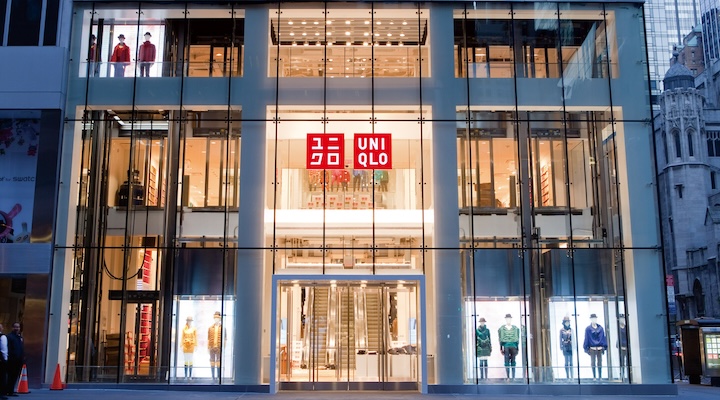
Uniqlo has unveiled a significant US retail expansion next year, anchored by two new flagship stores in Chicago and San Francisco, the brand’s first flagships outside of New York City.
The move marks a significant step in the Japanese retailer’s long-term US growth strategy, which will see 11 new stores open across key markets during the Spring/Summer season.
The expansion will bring Uniqlo’s US store count to 89, reinforcing its presence in high-traffic urban centers and strategic suburban locations.
The new flagship stores will be located at 600 N Michigan Avenue in Chicago and 801 Market Street in downtown San Francisco. Positioned in two of the nation’s most prominent shopping corridors, these stores aim to serve as high-profile brand hubs, following in the footsteps of Uniqlo’s successful New York City flagships, most notably the SoHo location, which will mark its 20th anniversary next year.
Alongside the flagship announcements, Uniqlo will add four more stores in New York City, in Williamsburg, Union Square, Bryant Park (5th Avenue), and the World Trade Center, further strengthening its dominant position in the city where its US journey began.
“These new stores are not only a milestone of our growth, but a way of honoring the customers who welcomed us two decades ago and continue to inspire everything we do,” said Fuminori Adachi, Uniqlo USA CEO.
“Our strategy is about thoughtful growth – opening the right stores in the right places – while ensuring every location reflects our customers’ voices and delivers a meaningful, high-quality experience.”
Uniqlo locations will continue to offer popular services such as RFID self-checkout, in-store alterations, and ReUniqlo donation bins. Select stores will also feature UTme! customization and Re.Uniqlo Studios, offering garment repair and embroidery.
Founded in Hiroshima in 1984, Uniqlo now operates over 2500 stores worldwide. The US remains a key market in the brand’s global strategy. However, company leadership recently noted that the US could face significant challenges from potential tariffs affecting global trade.