The South Korean retail giant Coupang is hitting its stride this year. The company reported record revenue of $8.52 billion for the second quarter ended June 30, up 19 per cent year-over-year on an FX-neutral basis. It was Coupang’s first time crossing the $8 billion threshold. Net profit swung to $31 million, reversing a $105 million loss from the second quarter of last year. Adjusted EBITDA reached $428 million. Strength at the core Coupang’s Product Commerce segmen
merce segment, which includes Rocket Delivery, Rocket Fresh, Rocket Growth, and marketplace, remains its primary earnings engine. Adjusted EBITDA for the segment rose to $663 million, with margins climbing to 9 per cent, the highest on record.
“The majority of revenue growth this quarter was driven by our existing customers, with all customer cohorts, even the most mature, demonstrating robust double-digit spending increases,” said Bom Kim, founder and CEO of Coupang.
“And as we continue to expand selection to match customer preferences, they’re also purchasing across a broader number of categories.”
The Rocket Delivery model, once criticized for its cash burn and capital intensity, now looks like a competitive moat. Same-day and dawn delivery volumes surged more than 40 percent year-over-year, thanks to more than half a million new Rocket SKUs added in the quarter alone.
Taiwan takes off
Coupang’s Developing Offerings segment, which includes Taiwan Rocket Delivery, Coupang Eats, Coupang Play and Farfetch, posted $1.19 billion in revenue, up 33 per cent year-over-year. The unit remains loss-making, with an adjusted EBITDA loss of $235 million, up $35 million from a year ago, but much of that is tied to increased investment in Taiwan.
The company’s CFO, Gaurav Anand, confirmed that Taiwan is now the primary factor behind a revised full-year EBITDA loss forecast for the segment of between $900 million and $950 million.
Coupang introduced its Wow membership program to Taiwan in March, targeting a market of 23 million people and a retail sector worth $152.7 billion. Since its 2022 market entry, the company has invested approximately $355 million in building out logistics infrastructure and expanding its product selection.
That investment appears to be yielding early results. Taiwan revenue surged 54 per cent quarter-over-quarter and grew at a triple-digit rate year-over-year. The gains are being driven not just by customer acquisition (active customers grew nearly 40 per cent quarter on quarter), but by improved retention and spend from existing users.
“Our Taiwan offering is growing faster and stronger than even the most optimistic forecasts we set at the beginning of the year,” Kim said. “Our conviction in the long-term potential of Taiwan is only growing, as we’re seeing a trajectory similar to what we saw in the early years of scaling our retail offering in Korea.”
While the cash burn may raise short-term concerns, Coupang’s aggressive capital allocation signals growing confidence that Taiwan could become a second profitable market in the long term.
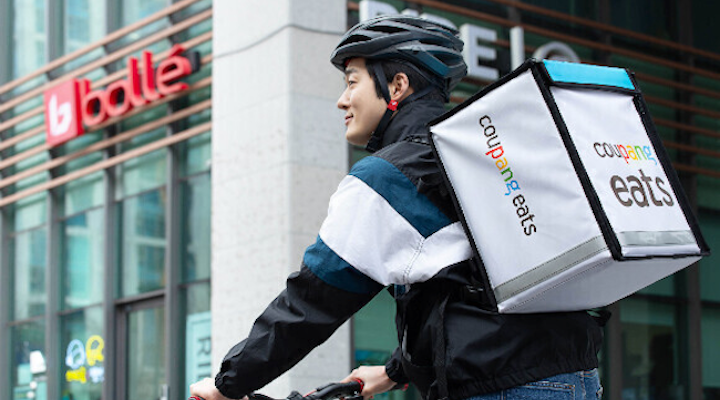
Though overshadowed by Taiwan’s momentum, Coupang’s other verticals continue to show traction. Food delivery service Coupang Eats posted continued double-digit growth, benefitting from the company’s established logistics infrastructure.
Meanwhile, Coupang Play, its streaming platform, added new features like Sports Pass, offering access to premium sports leagues from the Premier League to Nascar.
While these offerings are still far from being profit centers, they keep users within the Coupang ecosystem.
Still, Coupang has its work cut out for it. South Korea’s retail sector has been in a slump, with sales falling for 13 straight quarters, the longest decline on record. With little room left for breakout growth at home, the company’s future increasingly depends on getting more out of each customer or finding new ones overseas. Taiwan is off to a strong start, but scaling it into a second growth engine won’t be easy, and the level of investment required could wear thin with investors if results don’t keep pace.
Further reading: Inside Coupang’s $7.9 billion quarter and what comes next.