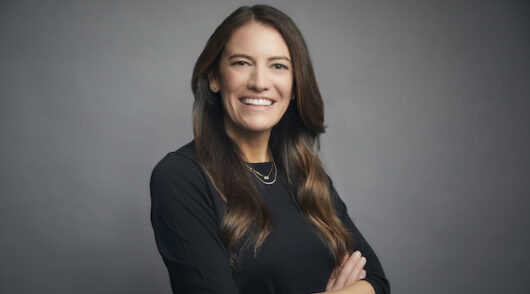

From 1stDibs to Uber to the National Basketball Association (NBA), Kristen Brophy has played a major role in defining brands’ storytelling strategy. In her current role as ThredUp’s SVP and head of marketing, Brophy not only had a hand in plotting out the brand’s marketing initiatives, such as the company’s latest IRL activation, “The Guest List”, a curated wedding guest dress shopping experience, but also in communicating the exciting new technological developments. Delving into her
to her transition from the world of editorial to retail, Brophy also shared her key tips for aspiring retail executives working their way up the corporate ladder.
Inside Retail: How did you get your start in the world of retail?
Kristen Brophy: Well, I started my career as a writer, working at 1stDibs and helping them tell their story in a variety of ways. A lot of what I was doing at the time was helping communicate the value of the objects that you could find on 1stDibs in this very elevated, premium marketplace to consumers. That’s really where I started understanding the customer and how to communicate the value of what we [the business] are building to that shopper.
In this unique way, writing helps you deeply understand your audience and their psychology, which made it a very natural transition for me to consumer marketing.
As I went on to work for Uber and the NBA, I really learned how to build cultural currency.
For example, with the NBA, it’s about how you connect, foster and inspire fandom all over the world, and really having to lean on cultural fluency to do so.
IR: What does cultural fluency mean in today’s world of retail?
KB: It means how you both participate in and influence the conversation happening in the industry or category that your brand is situated in or adjacent to.
For example, in our research, we found that many women have to shop for dresses for events, such as weddings, but feel overwhelmed doing so.
With the launch of ThredUp’s Dress Code Decoder [an AI-powered styling tool designed to help you decode confusing dress codes], we wanted to not just participate in the conversation but also influence it and potentially change behavior as part of that conversation happening in a community organically.
IR: You’ve had quite the diverse career background, going from editorial to consumer and product marketing and working for a variety of brands including 1stDibs, Uber and the NBA. How has this diversity in experience and positions aided you in your current role?
KB: The way that I now evaluate all of my career decisions is through what I call the three P’s: purpose, passion and profession.
With purpose, I ask myself how I can align my values with an organization. This particularly lined up with how I decided to work with ThredUp.
Internally, we have this phrase, “Look good, feel good and do good.” I love that proposition because we’re keeping tens of millions of items of clothing out of landfills every day and promoting a sustainable, circular fashion economy, which is a purpose I can get behind.
With the passion part, I have shopped exclusively secondhand for clothing since the beginning of the pandemic, which has totally reshaped the way that I participate in consuming fashion. It still allows me to do something I love: express my identity and creativity through fashion in a sustainable way.
Starting my career in editorial, then moving towards product marketing and working with technology teams to build features and bring them to market, really required me to understand consumer psychology and how to communicate those features and their value, while building cultural fluency.
From the professional perspective, with my current role at ThredUp, all of these elements came together. How we are not just a technology company but a fashionable tech company, making shopping more seamless, more enjoyable and more inspirational than just shopping for new pieces… So the synergy was really there on the professional side of things, finishing out the last P of my career equation.
IR: What is the piece of advice that you would give to yourself on day one of your retail executive journey?
KB: To balance patience with hunger. Since careers are long and promotions don’t come every year, there’s a little bit of patience that you have to introduce [to yourself], and the willingness to go deep to learn a category can be extremely important. I do think that being a bit urgent about that hunger is critical.
I always encourage people rising in an organization to ask themselves, “What can I do to widen my scope and make an even bigger impact?”
IR: What has been your favorite item that you’ve gotten from ThredUp?
KB: At our wedding guest dress pop-up, “The Guest List”, I got a Mara Hoffman dress.
Right now, I’m six months pregnant, and my body is changing so fast that the fact that this dress is stretchy and can accommodate my form is great.
Also, the designer Mara Hoffman has retired, and the fashion line has been shut down, so when I saw the dress, I thought about its potential resale value, since it could become a collector’s item in the future.
I think this is an interesting example of the younger consumer’s mindset of how people are really starting to factor the resale value of their closet into their shopping decisions in a way they haven’t before.
Further reading: REI and Jonathan Adler execs talk about the magic of retail at Shoptalk Fall