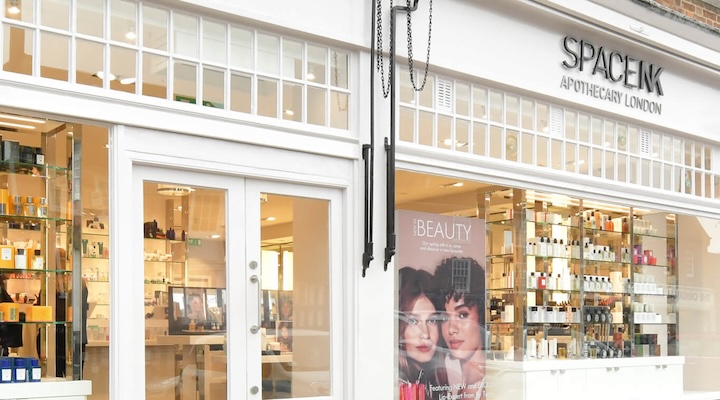
Ulta Beauty has made the headlines with its recent acquisition of UK-based high-end multi-brand beauty retailer Space NK from Diptyque’s owner Manzanira Capital. Space NK acquisition Founded in 1993, the British luxury beauty chain has long been known for curating high-end and niche brands, ranging from Rare Beauty, Tatcha, Charlotte Tilbury and Glossier to Fox & Vamp. Space NK closed 2024 with a turnover of £196.5 million ($264.8 million). The deal, announced last week,
ast week, marks a strategic leap into Europe for the Illinois-based retailer, allowing Ulta to bypass the pain of building a brand from scratch in a foreign market.
Though Ulta did not disclose the financial terms of the Space NK acquisition, reports suggest the deal is valued at more than £300 million ($408 million), funded through a mix of cash and existing credit. Goldman Sachs serves as the exclusive financial advisor to Ulta Beauty, while Latham & Watkins provides legal counsel.
The acquisition, Ulta CEO Kecia Steelman noted, gives the brand a ready-made footprint in a mature and discerning market, including 83 stores across the UK and Ireland. It’s also a shortcut to credibility in a region where consumers are deeply loyal to heritage labels and hyper-aware of brand authenticity.
Space NK will continue to operate independently under its current CEO, Andy Lightfoot.
“Space NK remains independent under CEO Andy Lightfoot, meaning Ulta gains premium assets and distribution while preserving what makes the brand unique,” Rich Gersten, co-founder of True Beauty Ventures, said on LinkedIn. “This is a smart strategic leap. Ulta skips the guesswork, buys in, and scales internationally with immediate credibility.”
International expansion
Ulta Beauty has long been a domestic powerhouse in the US market. With more than 1400 stores across the US and 44 million loyalty program members, the retailer has carved out a unique niche in the American beauty landscape.
But now, as the beauty wars go global and growth in the US plateaus, Ulta is preparing for its next act: international expansion.
Ulta’s move into the UK is part of a broader pivot toward global growth. The company is also preparing to launch in Mexico through a partnership with Grupo Axo, which is the local operator of Victoria’s Secret, Guess and Bath & Body Works.
“This year, we’re expanding internationally with store openings in Mexico. Our plan is to open about 100 stores over the next few years,” Josh Friedman, Ulta Beauty’s senior VP of digital and e-commerce, said at the National Retail Federation’s (NRF) Big Show Asia Pacific in Singapore.
The retailer is also planning store openings in Kuwait and Dubai via a licensing agreement with the Alshaya Group. Malaysia is reportedly also on the radar.
The international beauty market is ripe with opportunity for Ulta Beauty. The UK’s beauty and personal care market, for instance, is projected to hit £12 billion by 2027, while Mexico is one of Latin America’s fastest-growing beauty markets. The Middle East, with its young and beauty-savvy populations, represents a high-margin growth zone for global players.
If this rollout succeeds, Ulta could join the ranks of global beauty powerhouses like Sephora, which already boasts a significant presence across Europe, Asia and the Middle East. But unlike its French rival, Ulta is not simply replicating its US model abroad.
Reinventing brick-and-mortar for a digital age
While many retailers trumpet the death of physical retail, Ulta remains bullish on brick-and-mortar.
“We are still a very brick-and-mortar, physical-based category. Our 1400 stores are extremely important. Everything we do digitally aims to enhance that in-person experience and create synergy between channels,” Friedman said.
The beauty retailer hosts an astonishing 57,000 in-store events, from masterclasses to pop-ups, annually across the US.
“We reach out to customers before, during and after each event, creating a complete experience around these gatherings from a localized touchpoint,” he said.
Ulta’s digital approach focuses on connecting online and in-store experiences through practical features. Their digital tools include virtual try-on capabilities, personalized recommendations and convenient delivery options, all designed to complement their physical retail presence rather than replace it.
Perhaps Ulta’s most powerful asset is its data. With 95 per cent of purchases tied to its loyalty program, Ulta has built a direct, zero-party data pipeline to millions of customers.
“We don’t always know them as well as we’d like to, and we’re working to get to know them better every day. We know a lot about their shopping habits and purchase history, but we’re also working hard to collect more zero-party data directly from them,” Friedman added.
According to him, the company has been investing heavily in personalization initiatives.
“We have a significant partnership with Adobe, moving everything from data through the creative value chain to be as relevant as possible and communicate with customers about what they want to hear, rather than just pushing inventory we need to move,” he said.
While cultural and behavioral differences will require adjustments, the brand’s ability to collect and act on customer data in real time could give it a serious competitive edge, especially in markets like Mexico and the Middle East, where mobile-first shopping is accelerating and personalization is still a novelty.
Further reading: Ulta Beauty CEO Kecia Steelman talks online marketplace and international growth.