
As America prepares to celebrate the 250th anniversary of the Declaration of Independence, retailers have a rare opportunity to tap into a wave of national pride. Brands from Coca-Cola and General Mills to Macy’s are rolling out limited-edition products, red-and-white-striped packaging, and large-scale celebrations to mark the occasion. But in a country where patriotism has become increasingly politicized, even the most well-intentioned campaign risks alienating shoppers. Retail brand stra
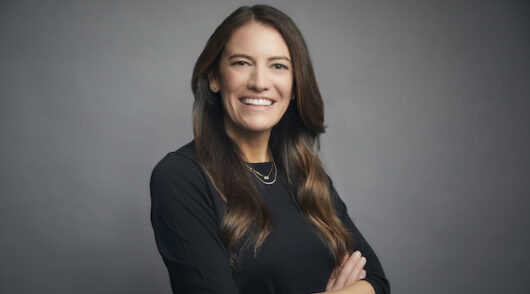
trategist and marketing consultant Bethany Paris Ramsay said it is important for brands to remain focused on community.
As Ramsay told Inside Retail, “The brands navigating this well are shifting the conversation away from nationalism and toward community. They’re celebrating the people, cultures, small businesses, artists, farmers, makers, neighborhoods and traditions that make the country what it is. That’s a much more expansive, human definition of America.”
Ramsay pointed to activations surrounding the 2026 FIFA World Cup as an example of positive and productive retail engagement.
“The excitement on social media is coming from hospitality, local culture, food, music and the ability to come together. They’re calling it the ‘Great American Sleepover’. That’s an America many people, regardless of political affiliation, can rally behind.”
Among the brands she believes have balanced both the opportunities and controversy surrounding America’s 250th anniversary celebrations, Ramsay highlighted the American-based apparel and accessories brand Selkie.
The brand faced criticism after releasing an Americana-themed collection, dubbed “American Woman”, featuring pieces adorned with red, white and blue stars-and-striped embellished prints.
When launching the collection, Selkie stated, “We refuse to surrender the symbols of this country to those who would use them against us.”
Although the brand said it wanted to reclaim the American flag from its association with some conservative and MAGA-minded Americans, many commenters argued the storytelling was unclear and failed to land.
In response, Ramsay noted that Selkie directly and effectively addressed this tension, rather than pretending it didn’t exist, by clearly explaining what these symbols mean to the brand and backing that message with financial commitments.
Selkie reported that 100 per cent of net profits from the collection support the Immigrant Legal Resource Center and UN Women, with an additional site-wide donation and a guaranteed minimum contribution.
Ramsay said this transformed the collection from a commercial opportunity into a values statement and showcased the brand’s ability to navigate a controversial situation with care and class.
In Ramsay’s view, Selkie is saying America belongs to many different people and experiences, not one ideology.
“That’s ultimately the lesson I think marketers should take away,” she said. “If you’re going to celebrate America in 2026, don’t just celebrate America as an abstract concept. Celebrate the people who create it every day. Show immigrant founders, spotlight local artists, partner with community organizations and support causes that align with your values.”
Ramsay added that consumers have become incredibly good at spotting performative patriotism. A limited-edition flag T-shirt or commemorative mug without a deeper story can feel opportunistic and very much MAGA-coded in 2026. However, when a celebration is connected to real people and real impact, it becomes much harder for consumers to dismiss.
“The biggest mistake brands can make is trying to be universally agreeable,” said Ramsay. “The strongest brands today are not going to be neutral. If patriotism genuinely reflects your company’s history, manufacturing, community or mission, consumers will likely embrace it. If it’s simply a seasonal marketing hook with no story to back it up, they’ll probably see through it.
“Perhaps that’s the biggest shift in American branding: it’s no longer enough to ask, ‘How do we celebrate America?’ The more meaningful question is, ‘Which America are we celebrating, and who benefits from that story?’” Ramsay concluded.
Meanwhile, Neil Saunders, managing director at GlobalData, said strategies such as themed packaging and short-term marketing shifts are “nice but not revolutionary” because they deliver little return in sales or consumer engagement.
Saunders argued that, for occasions like this, retailers are better off launching limited-edition, aesthetically interesting products that encourage consumers to buy before they disappear from store shelves. Brands can build on that excitement with promotional campaigns or competitions that give shoppers the chance to participate in fun activities, save money or win prizes.
One example Saunders highlighted is Coca-Cola’s limited-edition release of mini cans featuring unique designs for all 50 states to celebrate America’s upcoming birthday. While the cans are available, customers can scan a QR code on each can to enter giveaways for prizes such as a new car and exclusive collectible pins.
Saunders also praised Macy’s annual fireworks display, saying the public event puts the brand front and center for consumers wanting to celebrate the occasion.
As America turns 250, the brands that resonate most may be those celebrating not just the nation itself, but the people and communities that define it.