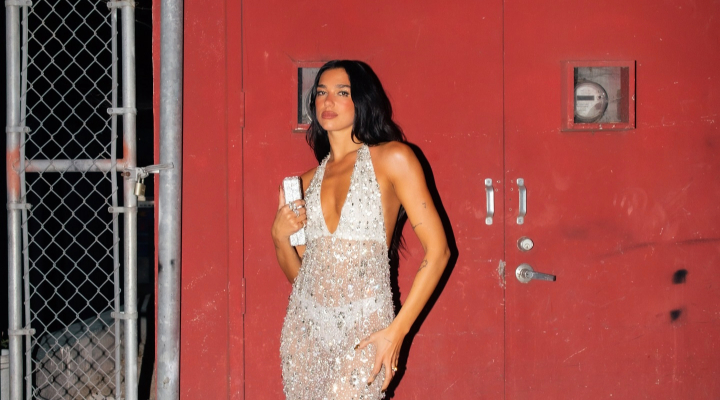
In today’s hypervigilant media world, where an influencer can face heavy fines for simply forgetting to add a #ad hashtag to a sponsored post, it may seem surprising that a conglomerate like Samsung could become embroiled in an image rights scandal involving a public figure. Yet that is precisely the story that has the retail industry buzzing this week. British pop star Dua Lipa has filed a lawsuit against Samsung, accusing the South Korean tech giant of using her image without permission to m
o market its television sets. Lipa’s attorneys stated that the image, titled “Dua Lipa – Backstage at Austin City Limits, 2024,” is registered with the US Copyright Office and belongs to Lipa.
The filing stated that the singer had not entered into an agreement with Samsung to allow the company to use her likeness, but that her face on the packaging of the television sets implied that she had done so. The filing also alleged that Samsung had sought to “benefit by capitalizing on the implied (false) association with Ms. Lipa as a sponsor of Samsung’s mass-marketed television sets.”
“Ms. Lipa holds highly valuable copyright, trademark and publicity rights in her name, image and likeness, including in the image exploited by Samsung without authorization,” the filing added.
The attorneys noted that Lipa first became aware of Samsung’s alleged infringement in June last year and had repeatedly demanded that Samsung stop using her image, requests the electronics manufacturer allegedly refused.
In total, the suit lists eight civil offenses, including violation of right of publicity, copyright infringement and false endorsement. The complaint seeks a permanent injunction and an award of no less than $15 million for actual and punitive damages. According to reports, Samsung has so far declined to comment on the allegations, which are yet to be proven in court.
Lipa claims the false Samsung partnership ruins her brand image
In addition to the $15 million mentioned in the filing, Lipa and her attorneys are also seeking to recover profits derived from the alleged misuse of the image.
This could require a full accounting of television sales figures tied to the disputed packaging, as well as injunctive relief to stop any further sales of products that still carry the photo. It could also mean Samsung will have to pull or relabel existing inventory in warehouses and on store shelves.
Lipa’s attorneys attested that Samsung’s alleged unauthorized use of Dua Lipa’s image has “caused and continues to cause dilution” of the singer’s “brand identity and commercial goodwill by falsely conveying to the consuming public that she approves of and endorses” the products in question.
To support their argument, Lipa’s lawyers attached screenshots of social media posts and comments to the filing, claiming the singer’s image on the front of the boxes encouraged potential customers to purchase the product.
One screenshot showed a fan commenting that they would buy the TV “just because Dua is on it.”
The lawyers explained that Lipa is “highly selective” in her commercial partnerships and has cultivated a premium brand through “carefully curated, high-end sponsorships and endorsements,” citing her role as a global brand ambassador for Puma, previous campaigns with Versace and Yves Saint Laurent, and collaborations with brands including Porsche, Apple, Nespresso, Bvlgari and Tiffany & Co.
“Consistent with this deliberate strategy, plaintiff would not have agreed to license her name, image or likeness in connection with the sale of the infringing products,” the lawyers added.
Evan Nierman, founder and CEO of Red Banyan PR, an international public relations and crisis management firm, said Lipa’s lawsuit would likely encourage more celebrities and public figures to aggressively protect their image rights.
“In the age of AI, celebrities, public figures, and brands are becoming far more aggressive about protecting their likeness, image rights, and intellectual property. The message is clear: your face, voice and identity are assets – and defending them is becoming a business necessity,” said Nierman.
Already, celebrities such as Taylor Swift and Matthew McConaughey have filed trademark applications to maintain rights over their voice and image, though it remains unclear how those claims will hold up in future court cases.
What experts say about Samsung’s alleged photo faux pas
Neil Saunders, managing director at GlobalData, said retailers and brands need to be extremely careful when using celebrity images on products.
“They should always go through the proper licensing requirements. As a huge corporation, it is surprising that Samsung made this oversight. The only thing they can do now is either reach some kind of settlement or allow a case to proceed on the basis that they feel they legally used the image. The latter option could be costly, not just in financial terms but in showing Samsung in an unreasonable light – especially among fans of Dua Lipa,” he said.
As crisis communications expert Erin Charles told Inside Retail, “This lawsuit is a valuable reminder that celebrity partnerships and likeness usage require extremely high care and diligence – especially for global brands operating across multiple markets. Consumers tend to associate a controversy directly with the brand itself even if the issue stems from a licensing misunderstanding or third-party error.”
Charles added that Samsung’s next steps should focus on transparency and accountability.
“From a crisis or reputation management perspective, Samsung’s next steps should focus on transparency and timely accountability. The company will likely want to address the matter directly, clarify how the alleged unauthorized usage occurred and demonstrate that internal review processes are being evaluated moving forward.”
Regardless of how Lipa’s lawsuit plays out, retailers have received a warning against using a celebrity’s image without consent to boost sales.
“This is a cautionary example for other retailers and brands navigating the ever-popular influencer and celebrity marketing,” Charles noted.
“As marketing content moves more and more quickly across digital channels, the risk of misusing intellectual property, likeness rights or campaign assets increases significantly. Brands should implement (and make mandatory) more streamlined approval workflows and tighter oversight of marketing assets; these are essential safeguards for both legal protection and trust from consumers,” she concluded.
Further reading: Dua Lipa sues Samsung for $15 million for allegedly using her image to sell TVs