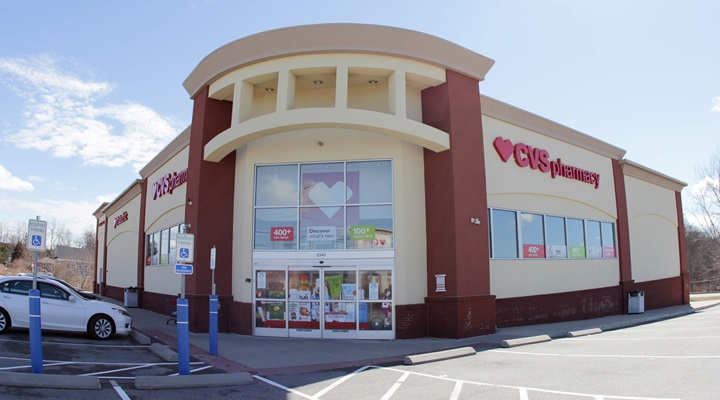
Despite CVS Health‘s revenue growing in the second quarter, an analyst said that the company’s overall performance reflects a struggle to propel the business forward.
“While the company is still up against tough comparatives from the prior year, the main takeaway is that the growth rate is in decline and that it is now running some way below inflation,” said Neil Saunders, GlobalData MD.
The pharmacy chain booked revenue of $91.2 billion in the three months ended June 30, up 2.6 per cent from the year-ago period.
Healthcare benefits segment revenue rose 21.4 per cent to $32.48 billion, thanks to the expansion of the Medicare and Commercial product lines.
Pharmacy and consumer wellness segment revenue increased 3.7 per cent to $29.84 billion mainly due to higher prescription volume and pharmacy drug mix.
However, health services segment revenue declined 8.8 per cent to $42.17 billion, attributed to the loss of a large client and continued pharmacy client price improvements.
Saunders said CVS faces two big retail problems, particularly customers becoming more price sensitive and the lack of inspiration across most of its stores.
“CVS is still operating a convenience type model where it believes it can charge a premium for many basic, everyday items like toothpaste,” said Saunders.
“The other issue is the general lack of inspiration and interest across most stores. This has been a longstanding issue, but it is biting even harder as CVS is not able to play effectively in many value-added parts of the beauty and wellness market which are currently still producing reasonable levels of growth.”
The company’s net income fell 7.6 per cent to $1.77 billion.
Saunders, however, clarified that CVS Health is still in a better position than its rival Walgreens.
Meanwhile, the company has appointed Karen Lynch to succeed Brian Kane as president of its healthcare benefits business Aetna due to the performance and outlook for the segment.
The company has downgraded its earnings per share guidance for the full year to $4.95 to $5.20, reflecting continued pressure in the healthcare benefits segment.