
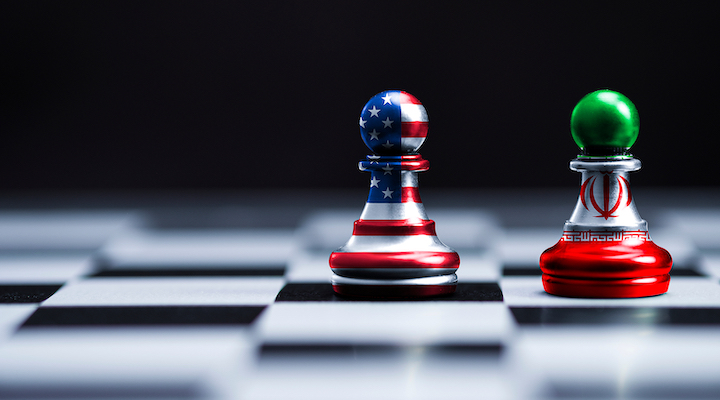
Three months after the US began its war with Iran, a deal to end the conflict looks set to be signed this week. For the sector, the reopening of the Strait of Hormuz could remove one of the biggest sources of supply-chain uncertainty, while lower shipping costs and predictable freight movements could ease inflation. The benefits, though, are expected to arrive gradually – and that’s if they even arrive at all. How, then, should retailers proceed? “As long as the deal sticks and the Strait
it remains open, this is good news for retailers as it both minimizes shipping disruptions and should, over time, bring down the price of oil,” said Neil Saunders, managing director at GlobalData. “Unfortunately, it won’t immediately reduce inflation, as some of this has been baked into previous buying cycles for products reaching stores over the next few months, but it will help keep a lid on inflation over the medium term. Even so, retail executions need to remain nimble and flexible in terms of supply chains, as we’ve seen how rapidly things can change both in terms of Iran and wider policies like tariffs.”
Retailers need to adopt a wait-and-see approach
Supply chain expert Isaac Hetzroni, CEO and founder of Imprint Genius, echoed that view, noting retailers should wait to see how smoothly operations restart before making major decisions, given the deal has yet to be signed.
“In simple terms, the reopening of the Strait of Hormuz should help bring down shipping costs and make deliveries more predictable over the next few weeks and months,” Hetzroni said. “Retailers importing goods, especially from Asia, have been paying more because of higher fuel and insurance costs during the disruption. Those pressures should start to ease once the agreement is in place.”
While awaiting the signing of the peace agreement, Hetzroni offered several recommendations for retailers: “Talk to your freight partners this week. Ask them how and when they expect costs to come down. This is a good time to renegotiate rates or remove extra surcharges. Review your inventory levels. With a lower risk of disruption, you may not need to hold as much safety stock. Freeing up cash here can make a real difference. Don’t assume it’s all smooth sailing yet. Keep some flexibility in your plans and watch how the deal actually plays out over the next 30–60 days. Use this as an opportunity. Lower transport costs can improve your margins or let you offer better prices to customers. Decide now how you want to use any savings. Stay diversified. Even with better stability, smart retailers keep options open with suppliers in different regions.”
What retailers should keep in mind as the Strait of Hormuz reopens
Barney Stacher, CEO of consultancy firm Stacher & Stacher, said the immediate impact of a sustained ceasefire and the reopening of the Strait of Hormuz is unlikely to be dramatic retail price reductions. However, it should help reduce uncertainty across global supply chains.
“For retailers, the Strait of Hormuz is one of those critical chokepoints that influences energy markets, transportation costs and, ultimately, the cost of moving goods around the world. When the threat of disruption rises, companies build contingency plans, hold additional inventory and often absorb higher freight and operating costs. When stability returns, executives can make decisions with greater confidence,” said Stacher.
He added that over the next several months, retailers may benefit from more predictable fuel and transportation costs, which could help protect margins at a time when many companies are already facing pressure from tariffs, sourcing shifts and cautious consumer spending.
However, Stacher argued the biggest opportunity may not be cost savings. Instead, it could be the strategic breathing room retailers gain to focus on innovation rather than operating in a constant state of disruption, as many have over the past few years.
“Any reduction in global volatility allows leadership teams to focus less on crisis management and more on growth, customer experience and innovation. My advice to retail executives is simple: don’t interpret this as a signal to relax.
“Use the temporary stability to strengthen supply-chain resilience, diversify sourcing, improve inventory visibility and continue reducing dependence on any single geography or trade route. The retailers that perform best in uncertain times are rarely those that predict disruptions correctly – they are the ones best prepared for whatever comes next,” concluded Stacher.
Further reading: China’s global e-commerce push slows as Iran war lifts costs, dulls demand
![A headshot image of Hannah Mercer wearing a purple hoodie against a gray background. ]\\](https://insideretail.us/wp-content/uploads/2025/10/hannah-mercer-gymshark-530x294.jpg)