Luxury is increasingly judged not only by the object someone purchases, but by the experience surrounding it. Consumers are paying closer attention to the environments brands create, the service they receive, the care offered after purchase and the ways brands continue to remain relevant long after the transaction is complete. Rather than viewing retail, hospitality, after-care and cultural experiences as separate initiatives, consumers expect to experience them as part of a single, ongoing rela
elationship with a brand. This evolution doesn’t diminish the importance of craftsmanship. Instead, it expands the role brands must play.
The product remains the foundation. The relationship is becoming the differentiator.
Craftsmanship opens the door; the relationship keeps it relevant
For generations, craftsmanship has been luxury’s most powerful proof point. Exceptional materials, skilled artisanship and uncompromising quality remain the attributes consumers most readily associate with enduring value.
MG2 Advisory’s 2026 luxury consumer report confirmed that 62 per cent of luxury consumers cite quality and craftsmanship as the primary reason they purchase luxury products.
At the same time, younger luxury consumers are placing greater emphasis on what a brand represents and how it fits into their lifestyle. The product itself still matters, but increasingly the brand also serves as an expression of identity, taste and values.
Today’s most compelling luxury brands recognize that craftsmanship extends beyond manufacturing – it becomes something customers are invited to experience.
For example, Fendi’s limited-edition Baguette bag with needlepoint embroidery kit transformed one of the house’s most recognizable handbags into a participatory experience, allowing customers to engage directly with the artistry behind the product.
Loewe has taken a similarly expansive view through the Loewe Foundation Craft Prize, elevating craftsmanship from a product attribute to a broader cultural conversation.
Also, Bottega Veneta continues to demonstrate that exceptional materials and meticulous leather craftsmanship remain powerful symbols of understated luxury, reinforcing that quality itself still communicates status.
In each case, craftsmanship remains central and has become part of a broader story that consumers can participate in, understand and ultimately connect with more deeply.
The luxury relationship doesn’t end at ownership
More than three-fourths of respondents in MG2 Advisory’s research report associate luxury with owning something rare, exclusive or status-driven. Those traditional signals continue to matter. Yet ownership increasingly represents the beginning of the customer relationship rather than its conclusion.
Nearly half of surveyed consumers expressed interest in private, members-only environments, signaling that exclusivity today extends beyond products to include access, recognition and belonging. Consumers increasingly expect luxury brands to know them, remember them, and provide meaningful reasons to remain engaged over time.
Brands are responding by creating ecosystems that extend beyond retail.
For instance, Kith’s members-only Ivy concept combines retail, dining, wellness, sport and hospitality into a curated lifestyle destination, creating multiple reasons for customers to engage with the brand beyond shopping alone.
Hermès reinforces long-term trust through extensive repair and maintenance services that preserve both product quality and emotional value.
Also, department stores are evolving this relationship through enhanced clienteling, with Nordstrom integrating personal styling, alterations and personalized services that deepen customer loyalty.
These initiatives are not replacing product ownership; they are enriching it.
Brands are designing for time, not transactions
Luxury brands are increasingly asking a different question. Instead of inquiring, “What did you buy?”, they are asking consumers, “What kind of relationship are we building with you?”
One of the clearest findings from MG2 Advisory’s research is that consumers already engage with luxury well beyond traditional retail environments. More than 90 per cent of respondents expressed interest in luxury experiences outside the product itself, including hospitality, travel, dining, wellness and cultural destinations.
For luxury brands, these environments are no longer marketing extensions. They have become meaningful expressions of the brand itself.
A few examples of this include:
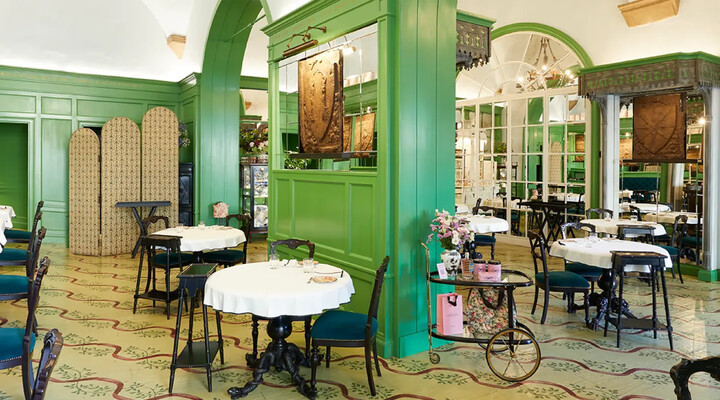
Gucci Osteria da Massimo Bottura, pictured above, a restaurant concept created through a partnership between the luxury fashion house and three-Michelin-starred chef Massimo Bottura, translates Gucci’s creative identity into dining, creating a cultural experience that reinforces the house’s distinctive point of view.
La Galerie Dior transforms the brand’s history into an immersive storytelling destination, inviting visitors to spend time with the brand regardless of whether they make a purchase.
Hermès’ most recently opened concept store, Hermès Maison in London, is the sixth in the world following openings in Paris, New York, Tokyo, Seoul and Shanghai. It also reflects this broad evolution. More than a flagship, the maison combines fashion, home, craftsmanship, hospitality and personalized service into an environment in a place you could live in.
These experiences share a common objective. They increase the time consumers spend with the brand while strengthening emotional connection, cultural relevance, and long-term affinity.
Care has become part of the luxury product
Perhaps the clearest expression of luxury’s evolving relationship model is after-care.
Nearly half of respondents in MG2 Advisory’s report say repair and after-care services help protect the value of their purchase while reinforcing trust in the brand’s quality. What was once viewed primarily as operational support has become an integral part of the luxury proposition itself. Repair, restoration, maintenance, authentication, and resale all communicate confidence in the product while reinforcing longevity – an increasingly important consideration for consumers who value sustainability alongside lasting quality.
Hermès has long positioned repair as an extension of its craftsmanship, allowing products to remain part of customers’ lives for decades. Louis Vuitton similarly offers repair services that preserve both product integrity and customer relationships well beyond the original purchase.
Coach’s (Re)Loved program expands the definition even further, transforming restoration, resale, and circularity into meaningful components of the brand experience.
These evolving expectations have important implications for physical retail.
As luxury expands beyond transactions, stores must support more than product display. They increasingly need dedicated spaces for consultation, care, hospitality, personalization, education and relationship-building.
The future of luxury is the relationship
Luxury is not abandoning its traditional foundations.
Craftsmanship, rarity, ownership and exceptional quality remain the attributes that define the category and drive purchase decisions. What is evolving is how consumers evaluate the complete luxury experience. Increasingly, they are asking not only whether a product is beautifully made, but whether every interaction surrounding it reflects the same level of care, thoughtfulness and intention.
For luxury brands, this means designing holistic relationships rather than isolated moments – connecting product, place, service, hospitality and after-care into one continuous experience.
The product will always be the beginning of the story. Increasingly, it is everything that surrounds it that determines whether the relationship will have longevity.
Melissa Gonzalez is a consumer strategist and principal at global architecture and design firm MG2, and founder of the firm’s MG2 Advisory.