US grocery retail is entering a phase of market share competition as unit sales continue to decline, prompting retailers and manufacturers to focus on value strategies, according to an analysis by Bain & Company and NielsenIQ (NIQ).
The report said the slowdown began in mid-last year when unit sales growth turned negative and accelerated from February this year.
In the four months to June, unit sales fell by around 2 per cent year on year in most months across all US regions. In June, grocery unit sales declined 1.8 per cent while grocery prices increased by 2–3 per cent.
Bain said the trend reflects financial pressure on US consumers. Its Consumer Lab Pulse Survey found that 80 per cent of Americans are trying to reduce spending, with 28 per cent cutting grocery budgets.
The firm cited lower participation in the Supplemental Nutrition Assistance Program late last year, fuel prices rising by about 20 per cent since March, and cumulative grocery price increases of about 33 per cent compared with 2019 as contributing factors.
While tax refunds, up by around $50 billion from the previous year, and savings accumulated during the pandemic have helped keep nominal spending afloat, Bain said these factors have not offset the impact of inflation and higher living costs.
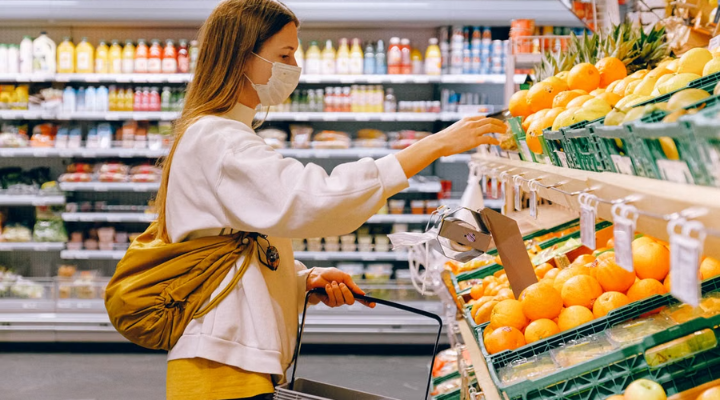
Spending pressure is changing shopping behaviour. Bain found that 56 per cent of consumers are switching to lower-priced brands, 49 per cent are buying fewer products and 44 per cent are making greater use of coupons and promotions.
Online grocery shoppers typically purchase smaller baskets, while users of GLP-1 weight-loss medications buy fewer groceries, contributing to the decline in unit sales.
Bain said the grocery sector has shifted from sales growth to market share, with discounters, dollar stores, mass retailers and club stores attracting more shoppers seeking lower-cost options, although they are also experiencing lower unit sales.
The firm said retailers and manufacturers investing in value strategies, product assortment, promotions and private-label products will be better positioned to gain market share as broader market conditions affected by inflation improve.
“The path back to growth is not just about low prices, but a value story that shoppers believe in and come back for,” said Kurt Grichel, head of Bain & Company’s Americas retail practice and co-author of the report.
- Further reading: Amazon’s physical grocery push deepens its fight against rival Walmart.