
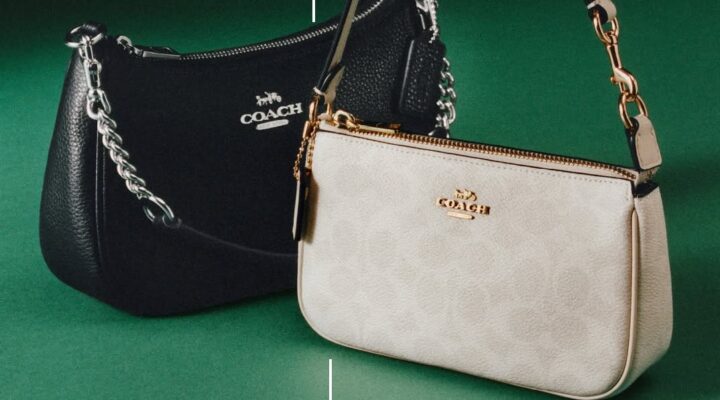
Tapestry has concluded a strong fiscal year with another set of solid results, as Coach continued to be the primary driver of growth.
For the fourth quarter ended June 27, revenue increased 9 per cent to $1.9 billion. This capped an annual sales growth of 14 per cent.
GlobalData MD Neil Saunders said that the solid results in the final quarter ended what has been a “fantastic year” for the company.
He noted that the previous sale of Stuart Weitzman diluted the fourth-quarter revenue. Excluding this, combined growth for the two remaining brands comes in at an impressive 11.9 per cent.
Among these two, Coach was the one doing all the heavy lifting, with sales soaring 15 per cent during the quarter.
“It’s fair to say that Tapestry is now effectively just Coach,” said Saunders. “In some ways this doesn’t matter because Coach has become such an impressive label. In other ways, it presents a very modest risk as the future performance of the group has no real counterbalance if the Coach engine stops whirring so effectively.”
According to the analyst, Coach’s “enormous brand heat” and consumers’ willingness to pay a premium for its products were driven by two main factors.
“First, it sits in the sweet spot of being premium enough to be desirable and feel indulgent but not so premium as to be inaccessible. This position is particularly attractive to younger consumers who value brand authenticity but don’t want to pay through the nose for it.
“And this leads to the second beneficial factor – the strong acquisition of Gen Z customers, which made up 35 per cent of the new customer mix over the past fiscal year. Coach is essentially becoming more premium without becoming overly exclusive, which is a very difficult balancing act to maintain,” he said.
At Kate Spade, there were signs of stabilization, but sales were still going in the wrong direction with a 7 per cent decline. Saunders said the brand has not carved out a strong identity and still struggles to generate traffic and justify price points.
“To be fair, there have been steps to change this with, for example, a bigger focus on accessories, but none of this seems cohesive, and it leaves the label in something of a no man’s land. The hope is that designer Jonathan Saunders, who joins later this month, will start to change that trajectory by giving the brand a much more concrete identity,” he continued.
The analyst said that Tapestry could acquire another brand to round out the portfolio. However, he noted that management is determined to return Kate Spade to growth, or at least stability, before considering this.
For FY27, the company expects revenue of $8.4 billion to $8.5 billion, representing mid-single-digit growth on a nominal and constant currency basis.
“While Coach remains firmly on the front foot, the forecast for the year ahead is that sales growth will moderate somewhat. Given the huge run of success, this is perfectly normal, but investors who were hoping for many more seasons of double-digit growth will be disappointed,” Saunders said.