
ThredUp helped pioneer online fashion resale when it launched in 2009. Now, as the secondhand apparel market gallops towards an estimated $393 billion globally, the company believes the next phase of growth will be driven not by sustainability alone, but by a combination of artificial intelligence, cultural fluency and data-driven storytelling. In other words, success depends as much on helping shoppers discover the right products as it does on offering millions of them. “Your brand is nothing
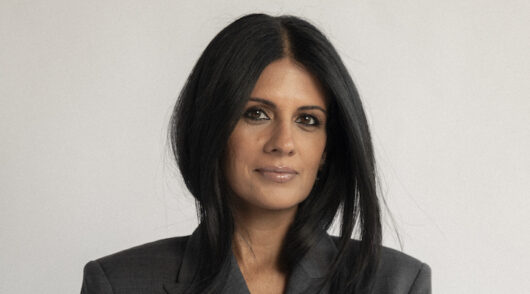
ing without your product. The brand may be the heat, but your product is the fire,” Kristen Brophy, ThredUp’s head of marketing, told Inside Retail.
Brophy said the company has invested heavily in technology to make shopping secondhand more intuitive and inspiring, while taking a data-first, culture-forward approach to its marketing. Rather than relying on sustainability alone, she said ThredUp looks for opportunities where resale can provide the smarter and more relevant solution to consumers’ everyday needs. “We’re really focused on helping consumers rethink what secondhand shopping can be by helping them solve real-world pain points.”
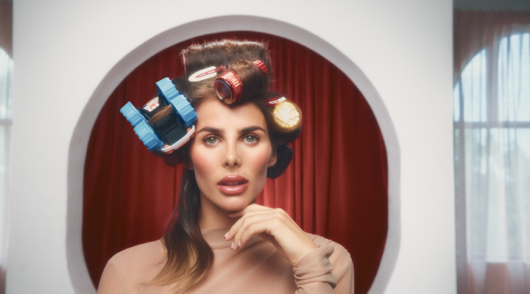
Brophy pointed to the company’s recently launched Dress the Party campaign. It was inspired by customer data showing that 58 per cent of wedding guests were frustrated by dress codes, while one in three shoppers lacked confidence in interpreting them. Those findings led ThredUp to launch an AI-powered shopping tool, the Dress Code Decoder, that bridges the gap between aesthetic intuition and searchable language. “It’s important that we listen to what our community is talking about organically as part of the secondhand shopping culture, but then also underpin it with data to make smart decisions about how we participate in that cultural conversation and solve the problem on behalf of the consumer,” said Brophy.
Staying ahead with AI implementation
While some brands have only recently embraced AI, Brophy said ThredUp has been investing in the technology for more than two years. “The first investment we made was in our search bar, which is one of the main ways people interact with ThredUp today. We introduced the ability to use your own natural language to search for something on the site with a more complex phrase. On most shopping sites, you can say, ‘I want a black sweater in so-and-so size’, and you have to search by category. On ThredUp, you can say ‘I want a coastal cowgirl glittery top for a Beyoncé concert’ and we will return results fitting that inquiry, thanks to the advanced natural language search we introduced.”
The company has also introduced Daily Edit, a feature that analyzes customers’ shopping history and browsing behavior to recommend 100 new items each day. Another AI-powered tool is the Trend Report, which detects emerging trends across the internet and matches them with merchandise already available on the site. “Those are some examples of how we’re trying to both help you find what you’re looking for faster, but also inspire you if you don’t necessarily know what you’re looking for.”
How ThredUp masters the art of cultural fluency
Cultural fluency is central to connecting with consumers in a hyper-saturated retail market, according to Brophy. Drawing on previous roles helping shape the storytelling strategies of brands including Uber and the NBA, she said cultural fluency is about understanding, participating in and influencing the conversations taking place within a brand’s category.
She pointed to the launch of ThredUp’s Dress Code Decoder as an example of using consumer research to shape both the conversation and the solution. “What we’ve heard in a lot of our consumer research is people want offline connections more than ever, and so we wanted to have a pop-up to establish more of those community-minded, IRL experiences that bring people together.”
That insight led ThredUp to launch The Guest List, a curated wedding guest shopping activation in New York City’s Soho neighborhood, designed to bring those online conversations into the real world. “We want to drive conversations with influencers on places like TikTok, where we know younger generations of consumers are getting a lot of their inspiration,” concluded Brophy. “Same with platforms like Pinterest and Instagram, so we really made sure the campaign focused on those particular surfaces and helped tie our products back into those social surfaces, so that we were really participating in the conversation.
Further reading: How ThredUp’s head of marketing Kristen Brophy got her start