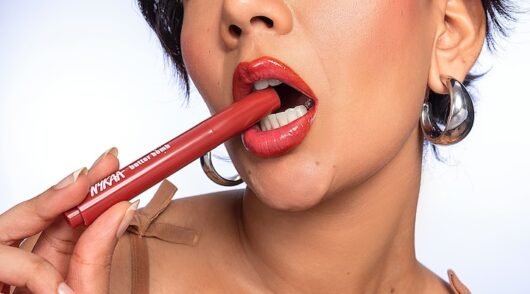
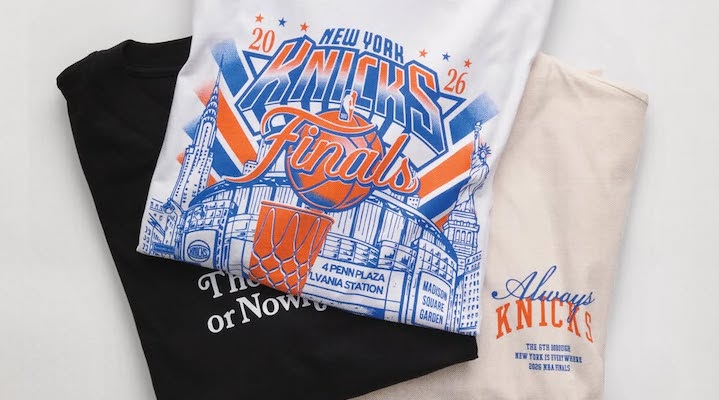
When Laney Crowell, founder of clean cosmetics brand Saie, attended a Knicks game in December 2024, she quickly realized the potential for her business. Why, she thought, were no brands marketing to women – despite the huge enthusiasm among them for basketball? Just over a year later, that bet paid off. After becoming an official Knicks partner in January, Saie found itself connected to one of the biggest cultural moments in New York when the team won its first NBA championship in 53 years. Th
Through the partnership, Saie gained significant brand exposure at Madison Square Garden via in-arena LED signage and GardenVision features during Knicks regular-season home games. The brand also appeared on the 7th Avenue LED Marquee sign, making it visible to the millions of people who pass The Garden each day.
Crowell’s observation was right on the money. According to market research firm YouGov, around 40 per cent of NBA fans are female. Madison Square Garden’s own figures put the arena’s audience at approximately 45 per cent women.
Naomi Omamuli Emiko, founder of marketing agency TNGE, said the partnership succeeded because Saie identified an overlooked audience.
“Saie sponsoring the Knicks was genius because while every brand at the Garden was advertising to the men in the room, they noticed the 45 per cent who weren’t being sold anything, and walked into open space. The lesson for retailers with this is beautiful because it isn’t sponsor a team. It’s find the audience already in the room that everyone else is ignoring. White space usually hides inside mainstream culture, not outside it.”
Beyond increasing the brand’s visibility at games, Crowell connected Saie to different parts of the female-focused Knicks ecosystem through in-person and product-led activations. These included hosting makeup classes for the Knicks City Dancers, naming Saie’s setting spray CitySet after the dance squad, and gifting influencers seats at Madison Square Garden to watch games live.
Of course, the strategy paid off once the Knicks won the championship, generating organic media exposure that would have cost hundreds of thousands of dollars to achieve through a traditional marketing campaign.
Christine Russo, principal of Retail Creative and Consulting Agency, said Saie’s focus on Knicks-loving female fans worked because it felt authentic and enjoyable rather than forced.
“Saie treated their brand partnership as if the Knicks were a content creator and gifted with product; giving something and not just pitching is an incredibly unique approach. Aligning with fan passion was this brand’s way forward to a product deal. The lesson is that authenticity and passion define fandom and could also lead to brand deals,” said Russo.
Saie’s success with female Knicks fans demonstrates how brands can authentically engage with sports audiences regardless of how a season ultimately unfolds.
As Neil Saunders, managing director at GlobalData, told Inside Retail, “The main lesson is that culture matters.”
He said retailers need to embed themselves within cultural movements and occasions rather than viewing themselves as isolated businesses. However, any involvement must feel authentic, with products that are of genuine interest and value rather than appearing opportunistic.
“Sports is a particularly powerful movement,” said Saunders, “mainly because of the great passion that surrounds it and the fact a lot of people want a memento or souvenir to celebrate or remember games and victories by.”
While retailers can plan for major events such as the World Cup, Saunders noted that victories can be far more spontaneous, meaning brands need the ability to respond quickly.
Saunders pointed to Starbucks’ release of a blue-and-orange New York Energy Refresher on June 18 to commemorate the Knicks’ win as an effective example of real-time response to a cultural moment.
“Starbucks’ blue and orange drink is one example of a brand that moved fast and did something fun and lighthearted that captured the imagination of fans,” he said.
Brands do not need to launch a full merchandise range to participate in cultural moments, but they do need to act quickly.
That could mean a themed window display, such as handbag brand Telfar’s current display of orange and blue versions of its iconic tote, or a themed pop-up, such as the one accessories brand Stoney Clover hosted from June 8 until the day of the New York Knicks Championship Parade on June 18.
Kendall Glazer, co-founder of Stoney Clover Lane, said the pop-up was originally intended to run only from June 8 to June 10. However, after noticing the energy surrounding the games among New Yorkers, the brand extended the activation and turned the moment into several days of record-breaking sales.
For retailers, the lesson is clear: authentic engagement and fast execution can turn cultural moments into powerful brand-building opportunities.
Further reading: How Off Season is tapping into the $4bn women’s sports merchandising market