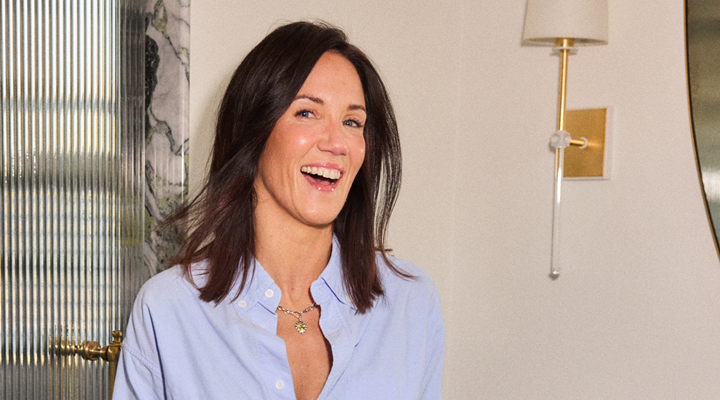
Hannah Spilva is the co-founder of Lvly, an online gifting retailer acquired by Malaysia-based Limitless Technology for A$35 million, and more recently, Done Hair, a new brand aiming to disrupt the at-home hair colour market. Here, she shares her morning routine, why she calls herself a “chief energy officer” and how culture and conviction fuel sustainable growth. Inside Retail: Do you have any daily rituals or routines that help you stay grounded and bring focus to your day? Hannah Spilva:
h Spilva: It’s fairly easy to stay grounded when you’ve got two small kids — my mornings are completely family-focused and all about setting everyone else up for success. Coffee is my sidekick and saviour in that process.
When it comes to focus, I take a slightly controversial approach: I try not to get sucked into emails. Otherwise, you spend the whole day reacting to other people’s agendas instead of driving your own. With ADHD, I know how easily I can get distracted, so I start each day with a ruthless focus on the few big, business-critical things I want to move forward. That’s what keeps me on track.
IR: Looking back, how did your early career experiences influence the way you approached building Lvly and now Done Hair? Were there key moments that set your direction?
HS: For me, it’s less about career milestones and more about the way I’m wired. I’ve always loved brands, loved retail, I’m energised by creativity and problem-solving, I’m motivated by freedom and I’ve had rebellious tendencies since I was a kid.
Building things feels like a really natural outlet. With Lvly, that meant reinventing a commoditised category with creativity and joy. With Done, it’s about taking that same restless energy into beauty and flipping a tired category into something fresh, convenient, and confidence-boosting.
IR: Founders are constantly moving between big-picture vision and day-to-day detail. What strategies or tools help you manage that shift and keep your creative energy intact?
HS: As founders, we’re hardwired to lean into everything — we run toward the fire. But controversially, sometimes the smartest move is to lean out. Not every problem needs you in the weeds. Sometimes the best way to solve a challenge is to let your team handle it. Sometimes the best way to get re-energised about your business is to step back, zoom out, and take a break.
I half-joke that I want to start a new founder movement called Lean Out. We hear so much about leaning in, but in the context of building a business, often the real power comes from getting out of the way. It’s about creating the space to think bigger, trust your team, and come back with fresh energy.
IR: Can you share a leadership lesson you’ve learned through experience (and how it continues to guide the way you lead)?
HS: I’ve come to see the role of CEO as really being the chief energy officer. Your job is to get people excited, create energy and keep the momentum alive when things get tough. Think big, be brave, act with integrity, and treat people well — if you can do that while radiating energy and optimism, people will want to follow you.
Businesses change and strategies evolve, but the energy you bring as a leader is contagious. If you can inspire people to believe in the vision and feel good about the journey, that’s half the battle won.
IR: Culture can make or break a growing business. How do you think about creating an environment that blends flexibility with purpose, especially in today’s hybrid working world?
HS: Culture fuels performance, creativity, and resilience. Get it right, and it becomes your biggest competitive advantage. Get it wrong and it drains energy, kills momentum, and quietly unravels everything you’re trying to build. If someone kills the vibe, you need to fix it fast. One wrong person can unravel a whole team. You need 100 per cent conviction in the people around you, and if you don’t have it, you need to rethink the team.
Great culture starts with clarity of purpose. People need to know why we exist and what impact their work has, they also need the flexibility to deliver in a way that fits their lives. That combination of purpose and autonomy creates energy.
IR: What’s one piece of advice you’d pass on to emerging entrepreneurs hoping to build businesses that are both ambitious and values-led?
HS: Ambition and values are important, but above all, you need to build a business that energises you and attracts the kind of people you actually want to work with. Nobody gets excited about selling stuff for the sake of selling stuff, or working hard for the sake of working hard. You’ve got to think big, be a little rebellious, and carry a highly competitive spirit. That’s what makes the journey exciting — and what makes others want to come along for the ride.
Further reading: After disrupting gifting with Lvly, Hannah Spilva takes aim at hair colour