
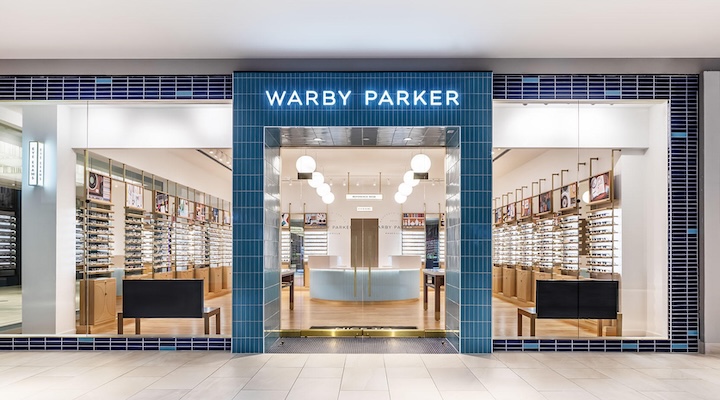
Warby Parker continued to outpace the broader optical market in the second quarter, posting nearly 10 per cent revenue growth as its expanding store network helped drive customer spending and market share gains.
The eyewear retailer reported revenue of $235.5 million, up 9.8 per cent year on year, while active customers increased 4.1 per cent to 2.71 million.
The company opened 15 new stores during the quarter, bringing its total network to 352 locations.
“In just a few weeks, we’ll unveil our first Intelligent Eyewear collection, marking the beginning of an exciting new chapter for Warby Parker and a whole new way for consumers to see and experience the world,” said co-founder and co-CEO Dave Gilboa.
According to Neil Saunders, MD at GlobalData, the results highlight Warby Parker’s ability to continue taking share in a slow-growing optical market.
“The overall optical market is growing far more slowly than this, so this represents yet another good market share gain by the firm,” Saunders said.
The analyst said the retailer’s continued investment in bricks-and-mortar stores remains justified despite its reputation as a digital-first brand.
“Having stores also arguably allows Warby Parker to play in the more embryonic intelligent eyewear space where we believe people will want to see and try products in person before committing to buying,” he added.
However, Saunders noted that customer growth has not kept pace with the rapid expansion of the store fleet, suggesting the company will need to improve returns from new locations as they mature.
The company maintained its full-year guidance for 10 to 12 per cent revenue growth, although Saunders said achieving that target will require a stronger second half driven by both new customer acquisition and higher spending from existing shoppers.
Looking beyond its core eyewear business, Warby Parker continues to invest in intelligent eyewear through partnerships with Google and Samsung. The retailer also plans to open 50 new stores in FY26.
Saunders believes the retailer is well-positioned to compete in the emerging category thanks to its younger, technology-oriented customer base and contemporary brand positioning. However, he warned that consumer appetite for smart glasses remains uncertain.
“From our data, there is some modest interest, but many consumers still see it as gimmicky and pointless,” he said.
“So, the job for Warby Parker will be to educate and persuade customers that these expensive products are worth the money. This will be a challenge, so a continued focus on the core business remains key in case this bet goes sour.”
- Further reading: Warby Parker beats guidance, looks to AI glasses.