The World Cup helped deliver Adidas the biggest quarter in its history. With both finalists wearing the brand, the official match ball in play and football-inspired collections driving demand, the German sportswear giant posted record sales of €6.7 billion (about $7.7 billion) and raised its full-year outlook. Yet analysts say the tournament rewarded a strategy Adidas had been quietly perfecting for years. Speaking after the results were released, CEO Bjørn Gulden attributed the company’s s
s sales growth to a more “localised approach” to product design and its big-budget ‘Backyard Legends’ media campaign. “The growth related to the World Cup was also accelerated by our strategy of increasing product availability in the interest of our consumers and retail partners versus optimizing inventories,” he said.
Neil Saunders, managing director at GlobalData, credited Adidas’ recent growth to its product development changes.
“For Adidas, footwear remains resilient, although growth slowed a little as the brand continues to lean into successful franchises such as Samba,” Saunders told Inside Retail. “This suggests some more substantive range refreshes and innovation might be needed to power future growth.”
Saunders said apparel was the standout performer during the quarter, with the World Cup giving Adidas an ideal platform to blend performance products with lifestyle appeal. By offering everything from official team kits to vintage-inspired Originals collections, the company attracted both dedicated football fans and fashion-conscious consumers.
“Adidas provided a masterclass in how to capitalize on a big cultural moment.”
Meanwhile, Frankie Margotta, strategy director at consulting firm Triptk, agreed that the World Cup played a major role in Adidas’ recent performance.
“As expected, the World Cup gave Adidas an exceptional platform,” he said. “Less expected, both finalists wore Adidas, with Messi and Lamine Yamal representing two generations of global football stardom, while the Trionda match ball and referee kits gave the brand a meaningful place throughout the competition that rivals couldn’t match.”
But Margotta argued the tournament merely amplified a strategy Adidas had already spent years refining. Rather than relying on celebrity endorsements alone, he said the company has built partnerships rooted in collaboration and storytelling, from working with Wales Bonner to creating World Cup collections with Mexican artisans that connect products back to local people and culture.
“There’s fame involved, but the work is thoughtful, sometimes strange and traceable to a real point of view,” he said.
How Adidas can keep the momentum flowing
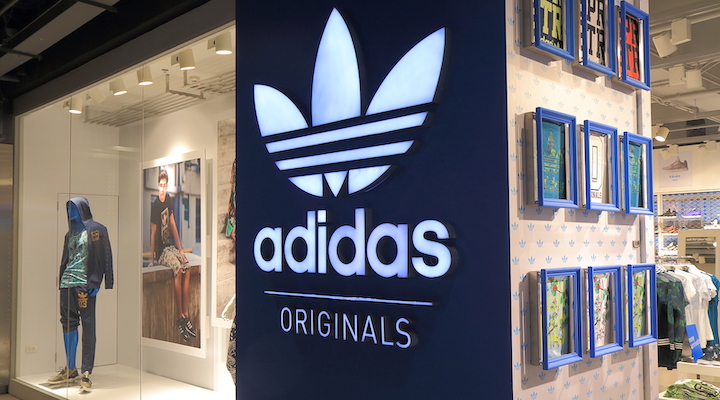
Margotta said the same discipline extends across Adidas’ brand portfolio, with each label serving a distinct role rather than competing for the same customer. The Three Stripes remains the mass-market sports brand, Terrex focuses on outdoor performance, Originals bridges lifestyle and premium fashion, while Y-3 occupies the luxury end of the market.
“Adidas understands what each property is there to do, how far it can stretch and how it strengthens the whole. That’s how the company is able to cover a global market, across categories, without flattening its point of view or becoming everything to everyone.”
Margotta said that coherence gives Adidas an edge over both Nike and specialist competitors, whose narrower focus can make expansion more difficult.
“The risk now is overplaying the momentum they’ve earned and weakening the brand in pursuit of more growth. I’m rooting for them to resist it.”
Finally, Barney Stacher, CEO of consultancy Retail OCD, argued the next challenge will be turning that momentum into sustainable, profitable growth.
“The challenge for Adidas now is converting that heat into sustainable and profitable growth,” he said. “Record quarterly reported revenue of €6.7 billion and 14 per cent currency-neutral growth are impressive, but operating profit increased only 5 per cent as it was impacted by Adidas’ considerable investment in World Cup marketing. The company can’t rely on a global sporting event–or the continuing popularity of retro, football-inspired lifestyle sneakers such as the Samba, Gazelle and Spezial–to do the work every quarter.”
Stacher said Adidas needs to maintain a balanced product pipeline across performance and lifestyle, cultivate the next franchises before current ones become overexposed, and preserve disciplined distribution so the brand does not slip back into discount dependence. “Adidas may be running toe-to-toe with its competitors, but keeping that pace will require turning cultural moments into lasting customer relationships, not simply selling more shoes during the moment.”
Further reading: Adidas is edging Nike in World Cup sales growth, data suggests