Steve Madden posted a 6.8 per cent increase in second-quarter revenue, driven by its acquisition of luxury brand Kurt Geiger, but reported a sharp drop in profit as new US import tariffs and rising costs weighed on results.
The footwear and accessories company generated $559 million in revenue for the quarter ended June 30, up from $523.6 million a year earlier. The growth was largely fueled by its direct-to-consumer (DTC) segment, which surged 43.3 per cent to $195.5 million, boosted by the addition of Kurt Geiger.
Excluding the acquisition, however, DTC revenue declined 3 per cent as both e-commerce and in-store sales softened.
Wholesale revenue fell 6.4 per cent to $360.6 million. On an organic basis, excluding Kurt Geiger, wholesale sales dropped 12.8 per cent, the company said.
Despite the top-line gain, Steve Madden reported a net loss of $39.5 million, compared with net income of $35.4 million in the same quarter last year.
CEO Edward Rosenfeld said the company faced significant headwinds from newly imposed US import tariffs, which disrupted product deliveries, drove up freight costs and led to order cancellations.
“As anticipated, the second quarter was challenging, driven largely by the impact of new tariffs on goods imported into the US,” said Rosenfeld.
“While tariffs have created near-term pressure and added uncertainty, we believe our key strengths, powerful brands, a robust balance sheet and a proven business model position us well to navigate the current environment and deliver sustainable growth over time.”
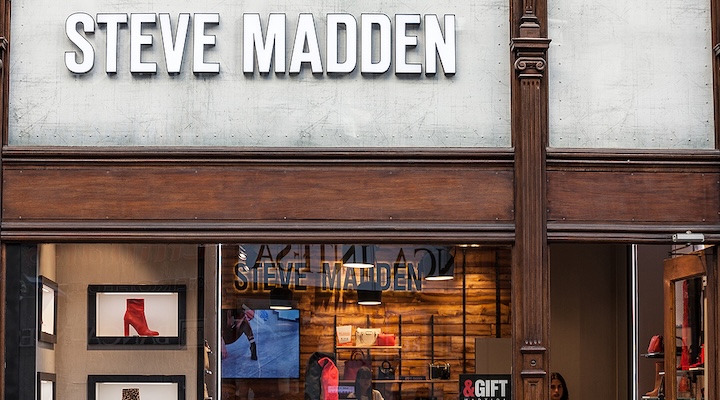
As of June 30, Steve Madden operated 392 company-owned retail stores and 130 international concessions.