
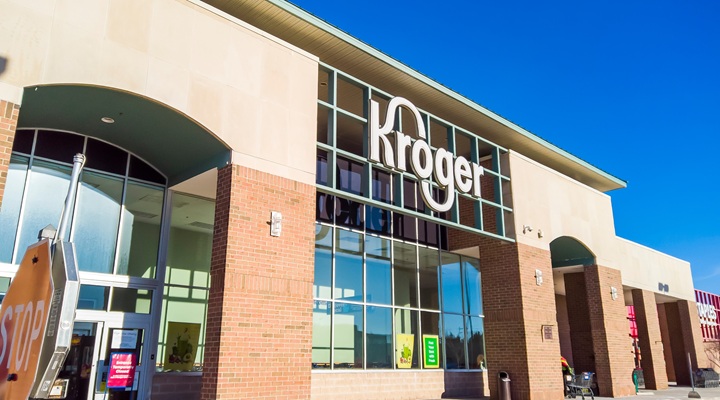
Kroger has reported an uplift in sales for the third quarter, but an analyst said the modest growth could signal the retailer is losing market share and customers to competitors.
The company’s total sales for the quarter ended November 8 edged up 0.7 per cent to $33.9 billion. Excluding fuel and Kroger Specialty Pharmacy, sales increased 2.6 per cent.
“This may not look too bad, but given the prevailing rate of inflation, Kroger should be producing punchier numbers,” said GlobalData MD Neil Saunders.
“That it isn’t means underlying volume growth is much weaker. This, in turn, reflects an ongoing issue for Kroger in that it is losing share of sales and shoppers to other players – including value retailers like Walmart and Aldi,” he added.
This “bleeding”, if left unchecked, could undermine the volume needed to make the business model work, especially during a time of elevated costs, the analyst warned.
“To accomplish this, Kroger needs proper leadership rather than an interim CEO, and it needs much greater focus and discipline. In our view, Kroger is something of a ‘meh’ retailer at a time when it needs to be firmly on the front foot,” he said.
According to Saunders, part of the problem is that Kroger pinned so many hopes on its merger with Albertsons. When this was denied, Kroger was left stuck in the middle without a clear and compelling point of differentiation.
The retailer also neglected some of its operations and investments in stores, which can be bad in the extremely competitive arena of grocery retail, the analyst said.
E-commerce was a bright spot during the quarter, with sales up 17 per cent. However, Saunders believes the pivot to using stores – which are sunk costs and have a far better distribution for serving customers – to fulfil orders makes more sense.
On the bottom line, Kroger posted an operating loss of $1.5 billion, mainly driven by a $2.6 billion impairment charge after the partnership with Ocado to build out automated warehouses was terminated.
“This is the cost of a misadventure that, with better leadership and thinking, could have been avoided,” Saunders said.
For the full year, Kroger expects identical sales excluding fuel to increase 2.7-3.4 per cent.
“In our view, Kroger now stands at a crossroads,” Saunders said.
“The business is both significant and sizeable, but it needs defending and putting on a path to growth. For this to happen, a new CEO needs to be installed, and that preferably needs to be someone from outside of Kroger who has very strong grocery experience.”