
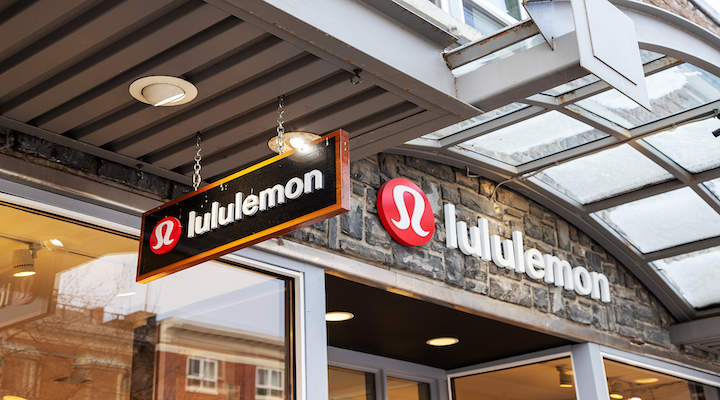
Lululemon recently reported a revenue jump of 7 per cent to $2.5 billion, and earnings per share of $3.10 beat analyst expectations. But the top line fell just short of forecasts, and more importantly, the company slashed its full-year outlook, citing an expected $240 million hit from tariffs. Investors fled: shares plunged 20 per cent in after-hours trading, deepening a stock rout that has already wiped out nearly half of the company’s value this year. “We are facing yet another shift today
day within the industry related to tariffs and the cost of doing business,” the company CEO Calvin McDonald said during the earnings call.
“The increased rates and removal of the de minimis exemption have played a large part in our guidance reduction for the year.”
Contrast performance
International sales soared 22 per cent year-on-year, with comparable sales up 15 per cent. In markets like China, Australia and Europe, Lululemon is still seen as a premium import.
China, Lululemon’s second biggest market, saw sales increase 25 per cent. The company opened five new stores in the market during the quarter.
“We continue to open new markets as part of our growth plans, including our new company-operated store in Italy as well as franchise locations in Turkey and Belgium,” McDonald said.
However, on its home turf, the Americas, which accounts for three-quarters of total revenue, the brand stumbled. Sales in the region grew just 1 per cent, and comparable sales fell 4 per cent.
“We are disappointed with our US business results and aspects of our product execution,” admitted McDonald.
American consumers, strained by inflation and higher borrowing costs, are reining in discretionary spending. At the same time, fashion trends have shifted. Wide-leg jeans and looser silhouettes are in; tight leggings, once Lululemon’s bread and butter, are out. Rivals like Alo Yoga and Vuori are stealing share with trend-driven assortments and celebrity-backed campaigns.
“We did not have the appropriate balance between existing and new styles across our casual offerings and the guests stopped responding as they had in the past,” McDonald added.
The tariff squeeze
Meanwhile, with around 40 per cent of its products manufactured in Vietnam and nearly 30 per cent of fabrics sourced from China, Lululemon is heavily exposed to the tariffs now applied to apparel imports.
CFO Meghan Frank described tariffs as the single largest factor behind the company’s guidance cut.
The company estimates the new trade regime will reduce gross profit by about $240 million this year, net of mitigation efforts like renegotiating with suppliers or adjusting prices.
The broader apparel industry is also feeling the sting, but Lululemon’s reliance on premium pricing makes it harder to simply pass higher costs on to consumers without denting demand.
Fierce competition
Lululemon shares have lost more than 45 per cent of their value this year, erasing billions from its market capitalization. For a brand that once seemed immune to retail’s many pitfalls, it is a humbling reminder that no company is too cool to falter.
Lululemon Athletica has long been the poster child of athleisure’s rise, a brand that transformed $100 leggings into both a cultural statement and a financial juggernaut. Its mix of sleek design, high margins and cult-like customer loyalty propelled the Vancouver-born company into the upper ranks of the global sportswear industry.
For much of the past decade, the brand barely needed to advertise. Spending just 5 per cent of revenue on marketing, compared with rivals like On that dedicate closer to 10 per cent, Lululemon relied on word-of-mouth, loyal communities, and the prestige of being a first mover in athleisure. But that advantage has eroded.
Newer entrants are seizing the cultural momentum.
Vuori, for instance, has positioned itself as a lifestyle brand as much as an activewear label, blending technical performance with a laid-back California aesthetic. Alo Yoga, meanwhile, has leaned heavily into celebrity and influencer marketing, building visibility through collaborations with names like Kendall Jenner and Hailey Bieber and cementing its presence in pop culture. Alo’s strong digital strategy, including TikTok challenges, Instagram virality and partnerships with music festivals, has allowed it to become a fashion-first brand that also sells performance wear, a reversal of Lululemon’s original formula.
Lululemon is now under pressure to reinvigorate its US business.
According to the company, for spring 2026, Lululemon will increase the share of new styles in its product mix from 23 per cent to 35 per cent, shortening lifecycles and refreshing assortments more aggressively. The company is also expanding “fast-track” design capabilities to respond more quickly to trends.
Store expansion continues as well: Lululemon added 14 new locations in the quarter, bringing its total to 784 worldwide. Growth in international markets, particularly China, where middle-class consumers still view the brand as an aspirational luxury, remains a bright spot.
Still, analysts caution that international growth cannot compensate for US weakness indefinitely, and efforts to reset product strategy will take time to bear fruit.


