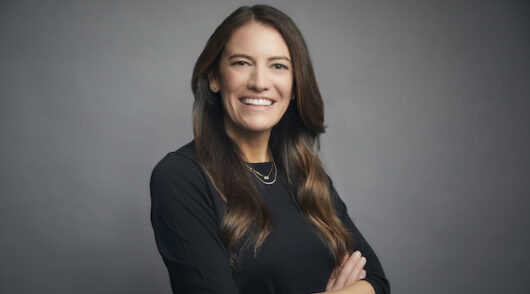
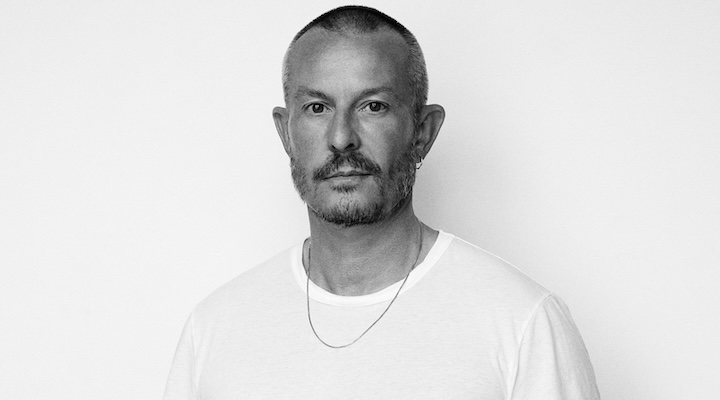
Kate Spade’s search for a revival has entered a new phase. After reporting another quarterly sales decline, the American handbag and accessories brand has appointed two senior executives in the space of a week to restore its relevance with customers. Jonathan Saunders will become Kate Spade’s first creative director in five years following Nicola Glass’s departure. He joins from H&M-owned & Other Stories after leading its creative direction and brings more than two deca
ecades of experience working with brands including Alexander McQueen, Calvin Klein and Tiffany & Co.
Allison Badea, meanwhile, arrives from Maybelline, where she most recently served as global SVP. She has also held senior leadership roles at L’Oréal and Giorgio Armani, giving Kate Spade two executives with extensive experience in fashion, beauty and brand building.
The appointments come at a difficult time for the business. Kate Spade’s sales fell 10 per cent in the latest quarter to $220 million, a performance made to look substantially worse as sister brand Coach continued its Gen Z-fuelled resurgence, posting a 31 per cent increase in sales to $1.7 billion.
As Neil Saunders, managing director at GlobalData, told Inside Retail: “While Tapestry’s execution at Coach has been nothing short of brilliant, the group has really struggled to turn the tide at Kate Spade.”
Saunders argued the difference stems from more than just execution. Since its heyday, he said, Kate Spade has lost relevance with consumers and struggled to establish a distinct new position in the market. A confused assortment has further weakened its appeal, leaving the brand with attractive individual products but no compelling overall narrative. As a result, shoppers increasingly see Kate Spade as a nice-to-have rather than a must-have purchase – a distinction Saunders said is particularly damaging in the current retail environment.
“Nothing will happen until the situation on the ground changes and Kate Spade presents itself in a way that allows it to compete better with other premium brands, and even with more accessible brands like Aritzia,” Saunders said.
Will fresh blood help bring about Kate Spade’s comeback?
However, Frankie Margotta, strategy director at consulting firm Triptk, was more optimistic about Kate Spade’s leadership changes.
“At a glance, I think the executive switch-up is a good move,” he told Inside Retail. “The new team understands and has the capacity to build a brand, rather than simply manage a business, and that, in my opinion, is what’s really challenging Kate Spade today.”
Margotta said the appointments of Badea and Saunders bring together considerable experience across the fashion, beauty and luxury sectors, giving Kate Spade the opportunity to build a brand consumers buy into over the long term rather than one they purchase simply because it’s convenient or discounted.
He argued the brand’s success in the 1990s came from offering something genuinely new: stylish, functional accessories at an accessible price point. But today’s market is fundamentally different. The rise of luxury resale and tougher economic conditions mean Kate Spade must rethink how it connects with consumers if it wants to regain relevance. While a full return to its heyday is unlikely, he believes the brand can still resonate with a new generation of shoppers.
Margotta said there were already encouraging signs that strategy was taking shape. “The brand already seems to be trending in the right direction: less inventory, fewer stores and SKUs, alongside a move away from constant discounting and associating the brand with bargains and deals,” he said.
“It’s worth mentioning that accessibility and bargains aren’t the same thing, even though we often lump them together. One still feels attainable and aspirational, whereas the other feels cheap and underwhelming.”
He acknowledged the turnaround would take time and likely require some short-term sacrifice. However, he argued that stronger brand equity would ultimately drive greater customer loyalty, increase lifetime value and reduce the need for expensive customer acquisition. A clearer identity would also create greater efficiency across the organisation by aligning teams around a shared ethos and design language.
“The next step is understanding how that all intersects with people today and what role Kate Spade can play that feels true to the brand and relevant to who the consumer wants to be,” he said.
“Establishing the core point of view and building a real connection with the core customer is what the brand has to get right. I think they now have the team to do it.”
Where Kate Spade goes from here
As Barney Stacher, CEO of consultancy Retail OCD, told Inside Retail, “Kate Spade’s recent executive appointments are certainly encouraging, but leadership changes alone don’t revive a brand. They create the opportunity for transformation—the real challenge is what comes next.”
Stacher explained that Kate Spade doesn’t have an awareness problem; it has a relevance problem.
Consumers know the brand, but the issue is whether it can once again give shoppers a compelling reason to choose it over an increasingly crowded field of accessible luxury competitors.
Instead of mimicking Coach’s aesthetic, Stacher recommended that Kate Spade learn from Coach’s consistent, long-game-focused approach to building refreshing product assortment, an engaging consumer experience and a differentiated brand identity.
“The opportunity for the new leadership team is to rediscover what has always made Kate Spade unique: its sense of optimism, playful sophistication and approachable style. Those qualities need to be expressed consistently across every customer touchpoint—from product collections and store environments to digital experiences and social engagement.”
“Ultimately,” Stacher added, “these executive appointments should be viewed as the beginning of the journey rather than the solution itself. A successful turnaround will depend on whether Kate Spade can reestablish a distinctive point of view, consistently deliver on its brand promise and create the kind of emotional connection that keeps customers coming back.
“In today’s retail landscape, sustained growth comes not just from selling another handbag, but from building a brand that customers genuinely want to be part of,” he concluded.