
Have you noticed how the word ‘taste’ is suddenly popping up everywhere in marketing? Across many retail segments, consumers are increasingly gravitating toward brands with a clear point of view. As AI lowers the barrier to producing imagery, copy and creative concepts, shoppers are becoming increasingly adept at recognizing when a brand feels generated rather than genuinely considered. This has led to renewed value on the human judgment behind the product. More than aesthetics, taste reflec
reflects discernment. This has become especially evident, as every decision, from product development to partnerships, retail strategy, storytelling and creative direction, is now often filtered through the same point of view.
Which is exactly why taste has become one of the strongest forms of brand equity.
Taste is more than aesthetics
Brands with a genuine sense of taste create consistency across every single consumer touchpoint.
Product development, storytelling, retail experiences, collaborations, social media, customer service, shipping materials and campaign creatives all reinforce the same worldview. Nothing feels disconnected because every decision is guided by a shared philosophy rather than a collection of trends.
For example, Hailey Bieber’s Rhode Beauty is often recognized for its minimalist aesthetic, but the brand’s greater strength is the consistency of the ecosystem surrounding it.
Its product concepts, collaborations, retail experiences, founder-led storytelling and communications belong to the same recognizable world. Even as the company has expanded from skincare into color cosmetics and physical retail, it has maintained a crystal clear perspective rather than reinventing itself with each new category or channel.
Consumers may not consciously evaluate each of these elements, but they recognize when everything feels aligned. That’s often why certain brands feel immediately familiar even before their logo comes into view. Their identity extends far beyond aesthetics; it lives within the decisions they make every day.
That consistency has become increasingly valuable, as consumers are now exposed to more brands than ever. In crowded markets, recognizable perspective often carries more weight than recognizable design. The strategic task for brands is to identify the principles behind their aesthetic and apply those principles to the entire customer experience.
Human nuance is, in fact, essential
Developing taste requires years of observation, experience, experimentation and category expertise. It comes from understanding customers, recognizing subtle cultural shifts, learning from failed campaigns, identifying patterns before they become obvious, and knowing when something feels almost right but still needs refinement. Those instincts are developed over time, and they remain uniquely human.
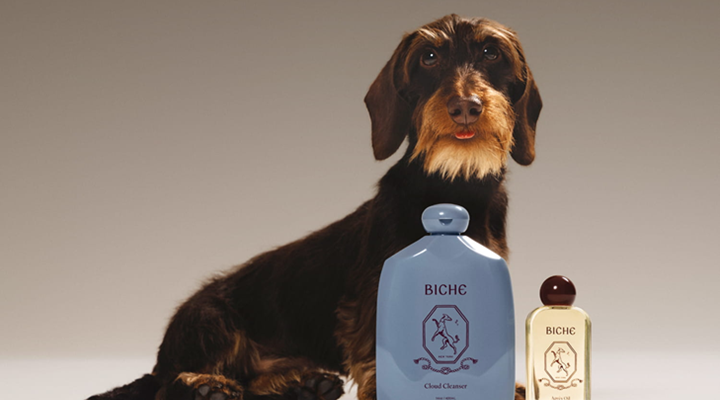
Biche, a luxury dog-grooming brand, demonstrates how valuable that nuanced judgment can be when entering a familiar category from a different perspective.
The brand applies beauty- industry standards to pet grooming, combining veterinary-developed formulas, pet-friendly scent, thoughtful design, and language that reframes grooming as something that’s both chic and a bonding ritual. The idea works because it reflects an understanding of both beauty consumers and the emotional relationship people have with their pets. Simply borrowing the visual conventions of luxury beauty would not have created the same result.
Consumers are also becoming more adept at recognizing work that feels overly generated or creatively flattened. Even when they can’t immediately explain why something feels generic, they often recognize the absence of perspective.
As AI becomes more widely adopted, human nuance becomes even more valuable. Brands that continue investing in experienced marketers, creative directors, strategists, editors and founders with a well-developed point of view will be better positioned to create work that feels distinctive rather than interchangeable.
Looking ahead, one of the greatest luxuries a brand can offer may simply be genuine perspective. Creativity, strategy and editorial judgment shaped by people remain worthwhile investments because they’re difficult to replicate at scale.
Brands are becoming cultural editors
Consumers increasingly expect brands to contribute more than products. Many now look to the companies they admire for recommendations, inspiration, and cultural discovery that extends beyond the checkout page.
This evolution helps explain why so many brands have embraced editorial platforms such as Substack, podcasts, print magazines, reading lists, founder essays and long-form storytelling. These channels allow brands to communicate ideas without asking for an immediate purchase.
The most successful examples don’t feel like extended advertisements. Instead, they reveal how a brand thinks. They introduce readers to artists, designers, destinations, books, architecture, wellness practices or broader cultural conversations that reinforce the company’s identity.
Sleep or Die approaches this opportunity through an unusually distinct brand world. Rather than relying on the calm, clinical or softly aspirational language that dominates the sleep category, it uses its “zombie” community, irreverent language, events, merchandise and culturally driven creative direction to make sleep feel like an identity rather than another wellness obligation. Its community is also invited into product development through early access and opportunities to influence what the company makes next.
For brands considering their own editorial strategy, the objective shouldn’t be to launch a publication or podcast simply because other companies have one. The format should support the perspective the brand is genuinely equipped to contribute. Otherwise, the result becomes another content obligation instead of a meaningful extension of the business.
The brands getting it right
The following brands have demonstrated how a clear point of view can shape every aspect of the customer experience.
Rhode Beauty shows how consistency can help a company expand without losing recognition. Biche uses category expertise to bring beauty standards into pet care, while Sleep or Die rejects the expected language of wellness to establish a more provocative cultural identity.
Salt & Stone offers another useful example within personal care. The brand’s approach connects daily essentials with fragrance, body care, design and an active lifestyle, while maintaining consistency across formulas, packaging, partnerships, wholesale and customer communication. Its vegan and cruelty-free standards, along with its use of materials including glass, aluminum and recovered ocean plastics, give the brand’s positioning a tangible expression within its products.
These businesses operate across beauty, personal care, pet care and wellness, yet the same strategic principles apply. Each has identified a specific perspective, translated it into recognizable brand codes, and carried those codes through more than campaign imagery.
For founders and marketing teams trying to create a more defined sense of taste, this begins with agreeing on what the brand believes; what it notices, values and would never do simply for attention. Those ideas can then become practical criteria for evaluating product concepts, creative work, collaborators, retail partners, content formats and new opportunities.
Taste is ultimately about trust
As conversations around taste continue to evolve, the concept is becoming less about visual trends. When we talk about taste, we are really talking about credibility.
Consumers are evaluating brands through the quality of their judgment. They notice which companies make thoughtful decisions, introduce products with purpose, participate selectively in culture, and communicate from a place of genuine perspective. Those choices build confidence over time, and confidence eventually becomes trust.
That trust extends well beyond the product itself. It influences whether consumers subscribe to a newsletter, attend an event, recommend a brand to friends, or return for their next purchase.
The companies that continue to stand out over the next several years are unlikely to be the ones producing the greatest volume of content or launching the largest number of products. They will be the brands that consistently demonstrate discernment, maintain a clear editorial point of view, and build worlds consumers genuinely want to be part of.
Consumers are still buying products, but they’re also buying judgment, curation and perspective. Increasingly, those qualities are becoming just as valuable as whatever ends up in the shopping cart.
This story first appeared in the September 2026 issue of Inside Retail US.
Bethany Paris Ramsay is a brand strategist and marketing consultant for beauty, wellness and consumer brands.


