The US vaping market, long dominated by Chinese imports, is seeing an uptick of “Made in America” products, in what some analysts and industry executives say is a reaction to the Trump administration’s crackdown on unlicensed brands. The products suggest the multi-billion-dollar industry is shifting marketing tactics under President Donald Trump’s global trade tariff salvoes and a tougher approach to unlicensed vapes from US authorities, especially against popular Chinese labels. The Uni
he United States is the world’s top market for vapes, coveted by major tobacco players like British American Tobacco, which estimated the market was worth around $12 billion in 2024. Most vapes worldwide are produced in China, and the devices are imported and distributed in the US without formal regulatory approval.
Since October last year, at least eight new vape brands playing up their American credentials have appeared among the broad array of unlicensed labels available on US shelves, according to a Reuters analysis. Trademark documents and business filings show that some of those eight brands, all of which lack permission to sell in the US, are controlled by US firms, but at least two are Chinese- or Hong Kong-owned.
Pallav Mittal, analyst at Barclays, said the vape companies appeared to be betting that the move would make their labels less likely to “catch the eyes” of customs officials on the lookout for unlicensed Chinese vapes at the US border.
That could mean the US crackdown on the massive illegal vape market will have an even more gradual impact than major tobacco companies were hoping, he added.
The US Food and Drug Administration declined to comment on whether there had been a shift towards US production of vapes, but said it is illegal to sell unauthorised vapes regardless of where they are made.
The website of one brand, Maxus Star, proclaims “Vape American” and shows the device emblazoned with stars, stripes and a “built in the USA” stamp.
Reuters could not verify where the device is made. The “Maxus” brand is owned in the US by Hong Kong-based Rivermountain (H.K.) Tech, which also holds trademarks in China for sub-brands of the Chinese vape maker Freemax, according to trademark documents. Maxus Star, Freemax and Rivermountain did not respond to requests for comment.
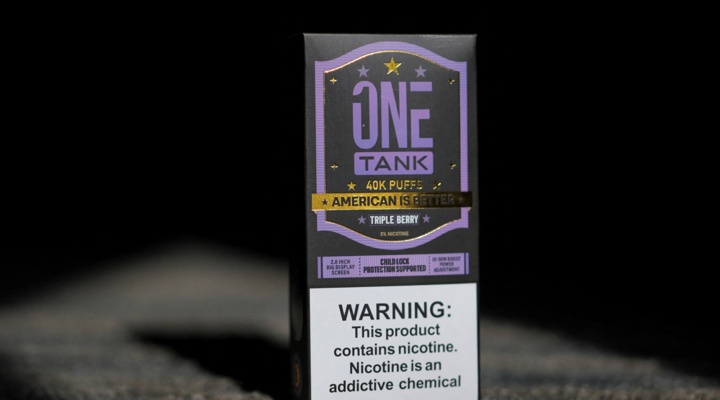
Another new label, OneTank, displays a stamp with an American flag and the phrase “made in USA” on its packaging. It is controlled by a representative of Shenzhen Onevape Technology, according to local business filings and US trademark documents. OneTank and Shenzhen Onevape Technology did not respond to requests for comment.
Reuters could not establish whether OneTank had any US manufacturing sites.
Some manufacturers could be trialing US production or increasing their use of US-made vape liquids to help lower tariff costs, said Steve Xu, an adjunct assistant professor who follows the industry at Canada’s University of Waterloo.
Small US-based vape company Charlie’s Holdings Inc opened its first US factory in December to fill one of its disposable vape brands with e-liquid, citing supply chain disruptions associated with importing finished devices and consumer preference for “Made in America” brands. Its annual report states that a Chinese manufacturing partner produces its disposable vapes.
Targeting unlicensed vapes
Unlicensed vapes account for some 70 per cent of US vape sales, according to BAT, whose own devices have lost market share as a result. The FDA has licensed only 41 vapes for sale.
As it launched a crackdown on unlicensed vapes last year, the Trump administration singled out Chinese devices. US Health Secretary Robert F. Kennedy Jr and former Attorney General Pam Bondi said at a major vape seizure that China was profiting from dumping “dangerous” illegal vapes in the US.
The uptick in “Made in America” vape marketing reflects how US consumers are regularly hearing from the Trump administration that products made in China are bad, said one vape industry consultant who works with Chinese firms. They asked not to be named due to confidentiality agreements.
Some tobacco companies say, without offering evidence, that the marketing trend reflects a pivot by Chinese rivals. Chinese trade data shows no drop-off in vape exports to the US, with shipments worth over $4 billion in 2025.
Tadeu Marroco, BAT’s CEO, said it was part of a move “to get around” state and federal regulations. Some of BAT’s own products lack FDA licences. “As the administration increases enforcement, they get more creative,” Marroco said.
Reporting by Emma Rumney in London. Additional reporting by Nathan Crooks in Houston. Editing by Nia Williams. All courtesy of Reuters.
Further reading: Inside the Chinese factory that learned to live with US tariffs