
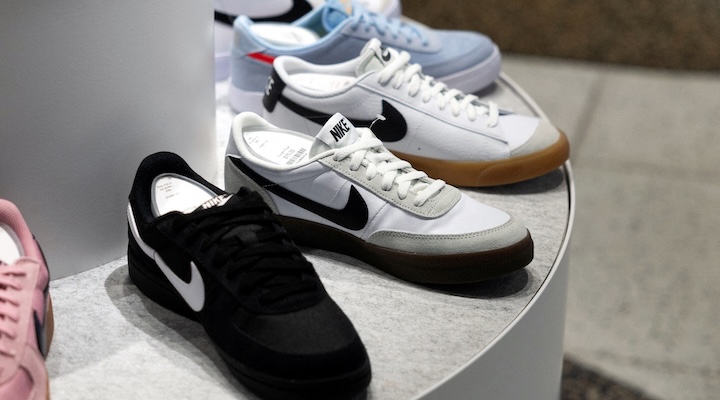
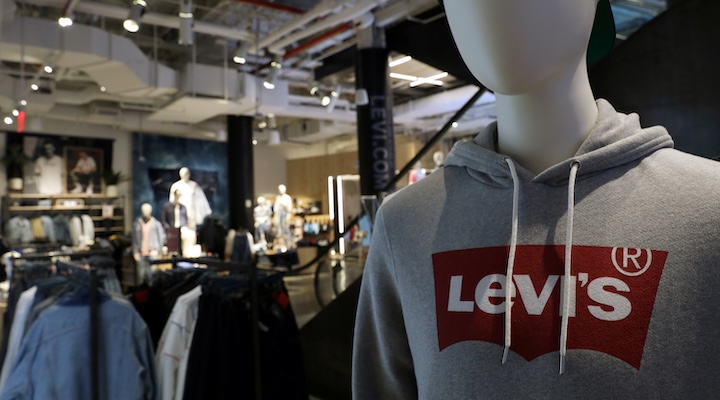
Shares of Nike and other apparel makers rose on Wednesday after US President Donald Trump said he had struck a trade deal with Vietnam that would impose a lower than initially expected tariff rate on many imports from the Southeast Asian country.
After months of negotiations, Trump’s trade deal with Vietnam includes a 20 per cent tariff on imports from Vietnam, lower than an initial 46 per cent rate he had announced in April.
Apparel makers have been diversifying production out of China to Vietnam, Cambodia and Indonesia, as Trump’s reciprocal tariffs on imports from these countries proposed in April raised concerns over supply chain costs as well as higher product prices.
Trump’s on-again, off-again tariff policy has also forced companies to withdraw or cut their financial targets, and analysts believe some clarity on the issue would allow companies to chalk out their strategy for the year.
“The tariff dance has clearly been a dominant focus point for retailers and investors, with its uncertainty perhaps creating greater problems than its actual severity,” BMO Capital Markets analyst Simeon Siegel said.
The deal also includes a 40 per cent levy on trans-shipments from third countries, and Vietnam would provide the US with more market access, with no tariffs on US exports into Vietnam, Trump said in a post on Truth Social.
Nike’s shares were up 4 per cent, Under Armour rose 2 per cent, and Levi Strauss gained nearly 2 per cent. Shares in Abercrombie & Fitch were up less than 1 per cent, while Roger Federer-backed On Holding stock was up 3 per cent.
“Investors may be looking at this as a sign that many of the threatened tariffs (on Vietnam and other countries) will be rescinded,” Morningstar Research analyst David Swartz said.
Still, Vietnam accounted for over half of all athletic footwear imports by volume and value in 2024 and Trump’s agreement with the Southeast Asian country would hit the footwear industry hard, said Matt Priest, CEO of trade group Footwear Distributors and Retailers of America.
“Many of these shoes already carry a 20 per cent tariff, particularly popular athletic styles. Piling new tariffs on top of that isn’t just unnecessary – it’s bad economics. The administration should acknowledge the steep footwear duties already in place and avoid adding more strain to American families and businesses,” Priest said.
Shares of electronics retailer Best Buy were up marginally. The company had factored in Trump’s base tariff rate of 10 per cent in its annual forecast in May.
“The transshipping aspect is an important wrinkle, but I’d expect suppliers will quickly move to adjust supply chains to avoid paying that hefty duty,” said Matthew McCartney, analyst at Wedbush Securities.
“Bigger picture, this deal brings clarity to the industry for a critical consumer electronics hub and eliminates some downside risk to Best Buy’s outlook.”
The companies – including Nike, Adidas, Puma and Levi – did not immediately respond to a Reuters request for comment.
- Reporting by Juveria Tabassum in Bengaluru; Editing by Alan Barona, of Reuters.


