In an era of cost-of-living pressures and a renewed appetite for personal connection, retail is witnessing the rise of micro-gifting, and the potential upside could be significant. Micro-gifting is the art of giving small, thoughtful presents that carry an outsized emotional impact. Far from existing as a minor trend, micro-gifting is emerging as an influential tool for brands to foster engagement, build loyalty and meet the consumers’ desire for meaningful moments, without the financial strai
rain that is inevitably associated with gift-giving.
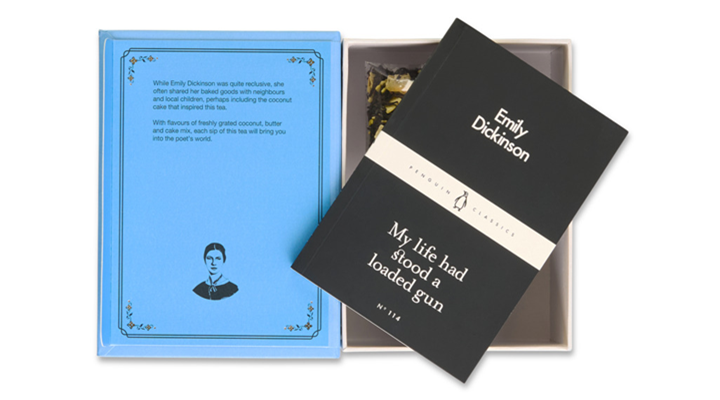
One of the standout examples comes from Australian tea and gifting brand T2 and Penguin Books, a collaboration that has spanned three chapters and continues to capture the hearts of Australian consumers.
“There’s something timeless about pairing a beautiful story with a beautiful brew. Over the past three years, the collaboration with Penguin has resonated with our customers because it taps into two deeply comforting rituals: reading and tea drinking,” Christelle Young, managing director of T2, told Inside Retail.
In terms of cost, micro-gifts typically range from $5 to $40, though the key isn’t the price, in fact, on the contrary, thoughtfulness and impact inform these purchasing decisions.
This year’s Penguin collaboration, themed ‘Steeped in Story’, elevates the experience further, with new blends inspired by literary icons, fine bone china teawares featuring limited-edition prints and hero pieces like The Wonderful Wizard of Oz set, objects that are as much sentimental keepsakes as they are thoughtful gifts.
“We’ve challenged ourselves to make each iteration feel fresh, while staying true to the core idea by continuing to create experience-focused packaging and products,” Young explained.
Small but powerful gestures
The rise of micro-gifting has become a post-Covid-19 antidote to distance and disconnection. With the lockdowns that forced consumers to rethink how they give and show generosity, small gestures have emerged as powerful ways to stay close.
The concept of micro-gifting has long existed; however, brands are now introducing it as a simplified, low-pressure approach that proves it’s the small things that count for many consumers.
Micro-gifting works precisely because it strikes a balance between intimacy and accessibility. “We’ve continued to see a growing appetite for gifts that feel personal and considered but still accessible in price,” Young elaborated.
“These smaller formats allow customers to give something meaningful without it needing to be a major occasion, and they become little sparks of connection, whether it’s a ‘thinking of you’ gesture or a moment to treat yourself,” she said.
The trend towards micro-gifting is also fuelled by macroeconomic pressures. Research from Afterpay reveals that nearly three in four Australians (72 per cent) have cut back on gift-giving due to the rising cost of living, with younger generations hardest hit: 80 per cent of millennials and 73 per cent of Gen Z are scaling back significantly.
Yet the desire to express generosity persists. Forty per cent of Aussies increasingly prefer memorable experiences over luxury or practical items.
Micro-gifting, in essence, represents a democratisation of generosity. It allows consumers to deliver delight on smaller scales, reinforcing human connection while respecting budgets.
The trend of small luxuries
A plethora of Australian retailers are already beginning to lean into this cultural evolution. Booktopia, QBD and Dymocks offer products beyond the bookshelf, curated bundles and giftable reads that craft literature as a shareable experience. Their product assortment and categorisation also suggest a deliberate effort to tap into this market segment.
Mecca’s beauty minis and gift sets have long thrived on the principle of small luxuries, an additional indulgence that still feels like a premium purchase.
Lifestyle brands including Smiggle, Typo and Kikki K have upheld natural alignment in the micro-gifting space, with playful stationery, journals and desk accessories.
In the supermarket space, Coles and Woolworths continue to experiment with affordable gifting ranges during seasonal periods, capitalising on their position as a habitual shopping destination to integrate thoughtful gestures into the everyday.
In each case, the magic lies in curation. Retailers that can frame inexpensive items as vessels of meaning, whether it’s a lipstick, stationery or a literary-inspired tea gift set, are best placed to meet this rising demand.
With generosity now being recalibrated due to financial constraints, brands must show that even the most modest tokens can carry extraordinary weight.
In retail, micro-gifting offers a unique avenue to craft stories, engage audiences and align brand experiences with cultural and seasonal trends. No longer measured by its cost, it is the thought and emotional resonance that puts the “value” in a gift.
For T2 and others embracing this trend, success lies in turning small gestures into lasting memories.



![[Left to right] Bennett Fox-Glassman, Macy’s SVP of customer journey, Sara Kleinma, Ruggable’s North American general manager and Primark US’s head of marketing sitting next to Tara Paxton, the founder and CEO of Huemanize on the Shoptalk Fall stage.](https://insideretail.us/wp-content/uploads/2025/09/shoptalk-fall-2025-chicago-day-three-530x294.png)