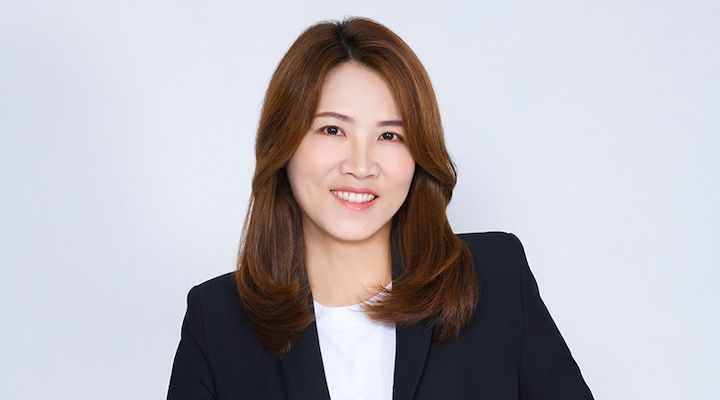
For a brand that has introduced new designs every week for more than two decades, Taiwanese fashion label Iroo has built its rhythm around constant movement. At the heart of Iroo’s Singapore operations is Emily Huang, the company’s chief operating officer, whose leadership philosophy blends structure with empathy and speed with sustainability. Since joining Iroo, Huang has overseen the brand’s continued growth in one of Asia’s most competitive retail landscapes. In this conversatio
rsation with Inside Retail, Huang reflects on what it takes to sustain creativity in a high-speed environment, the realities of leadership that no business school prepares you for, and how she defines balance and resilience in a demanding industry.
Inside Retail: Iroo has built its identity around speed and creativity, releasing new designs every week for 25 years. How do you sustain a team’s creative energy in such a relentless rhythm?
Emily Huang: At Iroo, we sustain our team’s creative energy by continuously introducing fresh challenges and goals. Each month, we set new KPI targets for individual stores, which we frame as engaging “games” to keep the experience dynamic and motivating. No single idea or initiative lasts beyond three months – this constant renewal helps maintain a healthy sense of excitement and creativity as well as motivation within the team. Similarly, whenever we introduce a new direction or strategy, we ensure it brings a fresh perspective to inspire and energize everyone involved.
IR: What’s one leadership lesson you learned the hard way, something no business school or mentor could have prepared you for?
EH: One of the most profound leadership lessons I’ve learned – something no textbook or mentor could have fully prepared me for – is the realization that leadership is deeply human and situational. Every individual brings a unique mindset, personality, and way of thinking. As a leader, I’ve had to learn to adapt, listen, and respond with empathy and flexibility. True leadership isn’t about applying a fixed formula but understanding people in their diversity and evolving with them.
IR: Which part of your work gives you the most joy and which part still keeps you awake at night?
EH: The greatest joy in my work comes from nurturing and supporting my team. I sometimes feel like I am the mother or nanny – much like a caregiver who ensures everyone feels motivated, happy, and engaged. Seeing them grow, thrive, and enjoy their work is incredibly fulfilling.
On the flip side, what keeps me awake at night is the quiet worry that someone might be struggling, missing a deadline, or feeling overwhelmed. As a manager, I often find myself mentally checking in on each person, even outside of work hours. However, I’ve learned to respect boundaries, rather than reaching out immediately, I make a note to follow up during working hours. It’s a delicate balance between being present and being respectful of personal time.
IR: What was the hardest leadership decision you’ve had to make – and what did it teach you about resilience?
EH: One of the hardest leadership decisions I’ve had to make was letting go of a long-standing team member who, despite their loyalty and contributions, was unwilling to adapt to the evolving needs of the company and the market. This individual had been with us for years and played a significant role in our journey, which made the decision especially difficult.
However, as the industry shifted, embracing new mindsets and processes became essential for our growth. After numerous one-on-one conversations and mentoring efforts, it became clear that change was not something they were willing to embrace.
This experience taught me a powerful lesson in resilience, It is not just in making tough decisions, but in staying committed to the long-term vision of the organization. It reinforced the importance of leading with empathy while also being firm in protecting the momentum and morale of the wider team.
Making the decision to let someone go is never easy, but sometimes it’s necessary to safeguard the long-term health of the business and maintain team morale. It’s a difficult but essential step to ensure progress and protect the motivation of those who are committed to moving forward.
IR: Many leaders talk about work-life balance, but few achieve it. What does balance look like for you, realistically?
EH: Honestly, balance isn’t easy to achieve. As a leader, I spend most of my time focused on work because I always want things to be done well. For me, balance means making sure the effort I put in leads to meaningful results – even if that means work sometimes takes priority over personal time.
My personal way of maintaining balance is by spending quality time with my family whenever I travel back to Taiwan, and taking occasional holidays. Sometimes, I go scuba diving with close friends – we enjoy diving, eating, and sleeping on the boat without worrying about anything. Even if you wanted to work while onboard, there’s no signal, so you’re completely disconnected from real life.
IR: What’s one upcoming change or challenge in fashion that excites you the most right now?
EH: One exciting change in fashion right now is the shift from wasteful practices to embracing a circular economy. It’s encouraging to see the industry becoming more conscious about sustainability. I’m proud to share that we launched a sustainability-focused store at IMM Singapore in May 2025, which reflects our commitment to this positive transformation and we are looking forward to implementing this to our other outlets.
IR: If you could give one piece of advice to your younger self just starting at Iroo, what would it be?
EH: If you’re someone who loves fresh ideas, innovation, and change, then the fashion industry is a great place to grow. I’d tell my younger self to stay curious, be open to learning, and embrace the fast pace. It’s an exciting journey full of creativity and transformation.
Further reading: Why Iroo’s global expansion and sustainability push are changing fashion retail.