On Thursday evening, Costco CEO Ron Vachris told investors that, for the fiscal year ended August 31, the company saved its members an estimated $3.2 billion on gasoline purchases, compared with prices at other gas stations in Costco’s markets. The dash to Costco’s gas pumps certainly shows up on the top line: higher fuel prices in recent months inflated raw, unadjusted comparable store sales by close to 270 basis points in the June–August quarter alone. Underlying this, the numbers were s
re still solid: adjusted for fuel prices and foreign exchange fluctuations, comp sales in all of Costco’s broad geographic segments increased 5–7 per cent in the fourth quarter and 6–7 per cent for the year. Digitally enabled sales were up about 20 per cent for the quarter and the year.
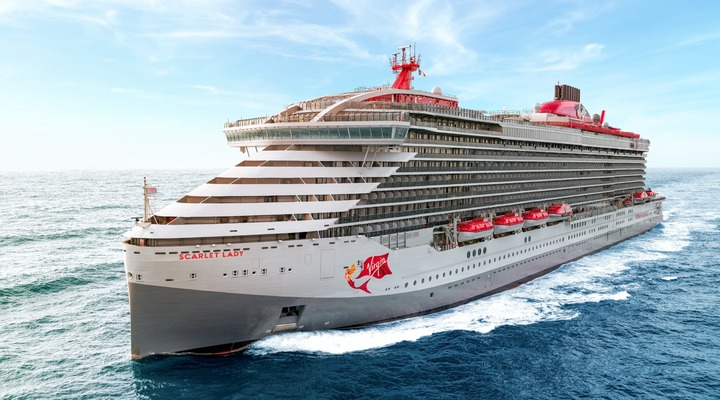
Vacation packages, cruises and car rentals grew by double digits: Costco sent over 750,000 members out on cruises, so things can’t be that bad, can they? At least not for one self-indulgent individual who booked a 154-night cruise for $218,000. Hopefully, there were plenty of shore visits, because five months on the high seas wouldn’t appeal to everyone.
Nothing choppy about the results
The company generated revenue of $95.7 billion in the fourth quarter, up 11.1 per cent from a year ago. This brought revenue for the fiscal year to $303.2 billion, up 10.1 per cent from fiscal 2025. Revenue for the year consisted of $297.2 billion in sales (also up 10.1 per cent) and $5.9 billion in membership revenue (up 11.0 per cent). The company estimates that less than one per cent of the more than 7 per cent membership revenue growth in the fourth quarter was due to the September 2024 fee increase. Base membership growth and increased penetration of executive memberships did the heavy lifting. On the bottom line, net income after tax rose 15.2 per cent to $3.0 billion for the quarter and by 13.9 per cent to $9.2 billion for the year.
Digital benefited from a 30 per cent year-on-year leap in traffic to the company’s site and app, where technology-assisted personalized recommendations displayed in carousels drive incremental purchases. CFO Gary Millerchip says that 10 per cent of Costco’s digital orders include a personalized item. AI search is also driving both incremental sales and new member sign-ups. At the pointy end – delivery to the customer – Costco is speeding up its delivery times with expanded same-day service in the US using DoorDash, Instacart and Uber Eats. Top digital sales categories in the fourth quarter were pharmacy, home goods and small electrical items.
Around $350 million already received in tariff refunds
Costco started receiving tariff refunds in the fourth quarter and received a cool $174 million, some of which was reinvested in price. CFO Gary Millerchip said this represents about one-third of the total tariff refund expected. In the first quarter of fiscal 2027, Millerchip said it received a similar amount, bringing the total to about $350 million so far.
Membership renewals: under-40s and executive sign-ups point to a bright future
Costco ended the quarter with 84.1 million paid members worldwide, with renewal rates remaining near 90 per cent globally and above 90 per cent in the US and Canada. The company is paying particular attention to the increased proportion of new member sign-ups in the under-40 age group, who now represent a quarter of the total member base and present a new set of challenges for digital engagement. Still, according to CEO Vachris, although these members don’t spend as much initially (partly because they come from smaller households), they “over time turn into higher-spending members”. At the same time, the outsized growth in executive membership is also pleasing, as CFO Gary Millerchip points out: “In the longer term, we would also expect higher executive membership penetration to lead to a further improvement in renewal rates, as executive members generally renew at a higher rate than gold star members.”
Company targets 30 new warehouses a year
During the August quarter, Costco opened another 11 net new warehouses, bringing the year’s total to 25 and its total store fleet to 939 member warehouses: 647 in the US, 115 in Canada and 177 outside the US and Canada. The international stores include 78 across the four Asian countries of Japan, Korea, Taiwan and China. At the end of the 2027 fiscal year, the company expects to have an additional 28 net new stores operating, including 18 in the US and 10 in international markets: five in Canada, four in Europe and one in Mexico. CEO Vachris added that the company had a “strong pipeline” of openings coming up in fiscal 2028 in Asia, Australia and elsewhere outside the US. These statements are consistent with the company’s goal of opening about 30 net new warehouses annually over the next few years. Some of these new stores will be relocations of high-volume warehouses into larger buildings, and some will be infill locations that relieve congestion at high-performing warehouses.
At the operational coalface in the shorter term, the company has to keep a keen eye on potential increases in vendor prices, which seem inevitable in the current geopolitical environment. The next 30–60 days will be challenging as the club positions itself for the holiday season. Will it need to make a lot of substitutions for items that are going to experience outsized price increases? Or will collaboration with vendors result in only modest or no price adjustments for the existing product lineup? As was likely the case last year, a combination of both seems most likely.
CFO Millerchip exudes confidence, as expected: he says inflation at Costco is currently running in the low single digits and is stable. He says rising prices lean toward non-food items, particularly those that hinge partly on oil prices or memory costs embedded in consumer electronics.
Further reading: Costco is pressuring Mainland China suppliers to cut prices as tariffs loom