Fall is officially here, and as the weather further cools down, more customers will be diving into autumnal-themed scents, like pumpkin pie or apple orchards, to embrace the season ahead. One brand that has excelled in providing these to an eager consumer base is Bath & Body Works, the latest player in an ever-widening base of millennial-favored brands that are attempting a comeback by appealing to Gen Z consumers. In recent years, the legacy fragrance retailer has been having a
ing a difficult time holding relevance in an ever-competitive market, as brands like Sol de Janeiro have been steadily winning the hearts of Gen Z consumers and as more apparel and lifestyle brands like Gap begin diving into the beauty market.
Over the past decade, Bath & Body Works’ market share has declined, from 17 per cent of the US fragrance market in 2015 to 12 per cent in 2025.
To regain its foothold, the company has been investing in revitalizing its in-store presence with updated store design, tech-focused innovations and new product launches.
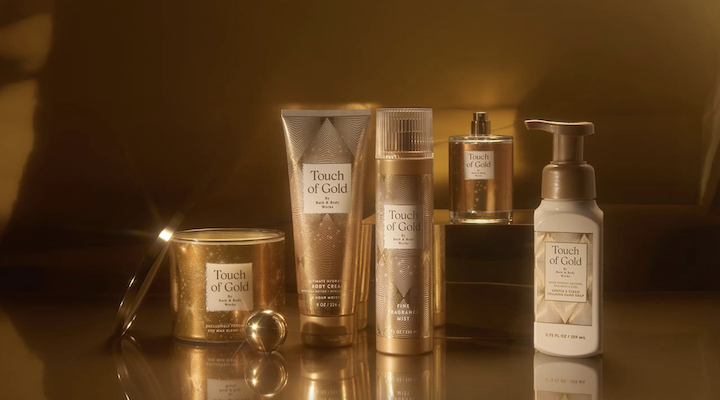
Earlier this week, Bath & Body Works revealed the launch of a new fragrance collection dubbed ‘Touch of Gold’ that promises to deliver a more “luxurious” feel at a more accessible price point.
As Bath & Body Works’s executive vice president, Tony Garrison, stated, “We’re committed to offering accessible luxury fragrances for all, and expanding our travel retail footprint is a natural next step in reaching a global audience of fragrance enthusiasts.”
Steps Bath & Body Works is taking to connect with Gen-Z consumers
In June 2024, Bath & Body Works announced a multi-year partnership with Accenture, a global services and consulting firm, to modernize, transform and simplify its core digital and technology platforms with tools like MarTech, AI and Gen AI.
“Our collaboration with Accenture is about having a strong technology foundation and scaling the power of digital, data, and AI to deliver new levels of customer experiences, agility and performance,” said Gina Boswell, Bath & Body Works’ CEO.
“This will help us accelerate profitable growth by enhancing our operations, elevating our brand and engaging our customers differently through personalized and seamless experiences that keep them coming back.”
As part of its vision to drive growth, Bath & Body Works has been working with Accenture to create new capabilities like a digital Fragrance Finder, a gen AI-powered conversational experience to help customers find the perfect fragrance tailored to their individual preferences.
Then, in another play to start winning over a younger consumer base, Bath & Body debuted a new store design concept, dubbed Gingham+, in March 2025.
Informed by research and consumer insights, the new Gingham+ store design includes elements like dedicated zones for key product categories, larger aisles, new scent bars in select stores where customers can easily test candles, wallflowers and fragrance mists and videos that help customers discover new fragrances and products.
Over the past few months, Bath & Body Works has opened more than 15 stores with the new design in South Korea, Los Angeles, Texas and several other locations around the world.
Moving further in 2025 and going into 2026, the brand will continue to roll out Gingham+ in a majority of its new store openings in the US.
But will an updated store design be enough to bring back Bath & Body Works’ sparkle?
Potentially, answered Barney Stacher, CEO of retail consultancy firm Stacher & Stacher and Rethink Retail adviser.
“Bath & Body Works’ new Gingham+ format is essentially an attempt to take a pattern once associated with ‘twee’ quaintness and give it grown-up utility,” said Stacher.
“The changes – wider aisles, dedicated scent bars, softer palettes – are designed to shift the in-store experience from cluttered nostalgia to curated discovery. It’s a smart response to a brand that saw Q4 sales fall 4.3 per cent and net income drop nearly 22 per cent, and one that acknowledges younger shoppers want room to breathe, not just racks of body spray.”
Stacher noted that early consumer feedback on the store design has been encouraging, with shoppers praising the larger spaces and noting a reduced ‘sensory overload’.
However, Stacher warned “fixtures alone won’t bring back the spark”.
“To win back relevance, Bath & Body Works will need to pair this design refresh with stronger storytelling, digital integration and operational discipline. In other words, gingham can still be cute and ‘twee,’ but the ‘+’ must mean it grows up into something more authentic and experiential – otherwise it risks being just a prettier plaid over the same old problems,” Stacher concluded.
What experts think about Bath & Body Works’ Gen Z-centered moves
Naomi Omamuli Emiko, founder and owner of TNGE, a marketing agency and a growth studio built to accelerate beauty and wellness brands, is optimistic about Bath & Body Works’ chances for a revival story.
“Bath & Body Works is indeed making some smart moves: their redesign efforts create a more inviting, discovery-driven store experience and their new product lines signal an effort to elevate quality while expanding into men’s, wellness and fabric care. All the while, distribution shifts into campus bookstores, TikTok and off-mall locations show they’re meeting consumers where they are,” said Emiko.
She also noted that adding AI fragrance finders and more immersive in-store tools will help the brand stay relevant for younger shoppers. A statement that CI&T’s global director of retail strategy, Melissa Minkow, fully concurred with.
“The fragrance finder in particular demonstrates an understanding of how consumers’ shopping journeys are evolving, seeking extremely specific products. If they really develop that tool out, ultimately also allowing shoppers to make their own custom fragrances to capture exactly what they’re looking for, I think this could be a big success,” said Minkow.
Emiko pointed out that moving forward, the challenge in Bath & Body Works’ comeback plan will lie in how well the brand is able to execute these moves.
As Emiko told Inside Retail, “Higher quality needs to feel worth the price, competition in fragrance is fierce, and seamless integration across digital and physical channels is absolutely critical. So to truly get their spark back, they’ll need stronger storytelling and collaborations, crystal clear steps on sustainability and refills, loyalty models that effectively drive repeat purchase and sharper agility around trends.”
Done well, Emiko theorized that these strategies should be able to stabilize the business and deliver modest growth. Yet, she emphasized that without clear differentiation and flawless execution, these moves may not be enough to reignite Bath & Body Works’s breakout momentum.
With all this being said, Minkow remarked that ultimately Bath & Body Works is another nostalgic millennial brand with “big potential to win over Gen Z if cards are played correctly”.
Minkow noted that while new product launches are a key comeback strategy, she would encourage the brand to lean into the fragrances of yore that made it so famous and will bring back the memories for its Millennial consumer base.
Time will tell if Bath & Body Works will be the next Y2K-favorite brand to bring back its spark.