For consumers raised on constant connectivity, books offer something appealing: an experience that demands time and attention. Retailers are tapping into that appetite for a slower pace, pairing literary-themed products with partnerships that bring readers together. In January, Dior’s “Book Cover” collection reimagined its signature Book Tote with embroidered covers of classics including Dracula. Two months later, Coach partnered with Penguin Random House on fully readable miniature book b
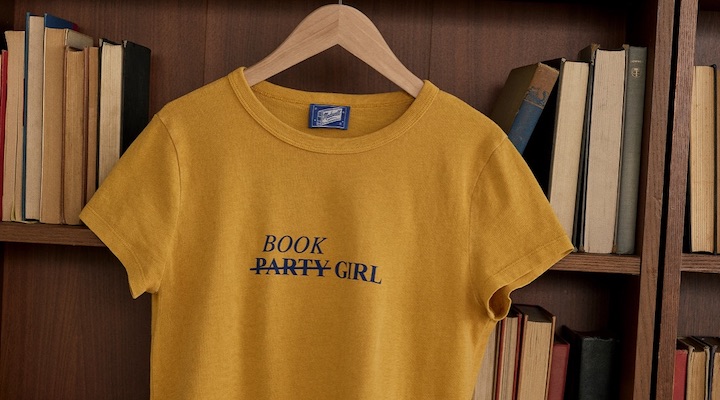
k bag charms, including Sense and Sensibility. Now, this week, Madewell has launched a 15-piece collection with the New York Public Library (NYPL), kicking off a yearlong partnership. Priced from $25 to $228, the range included a tote bag, literary-themed T-shirts, and bookish pins.
Many of these book-themed launches have been a hit. But the failure of other IP-inspired activations shows that retailers can’t simply slap a book pun or title onto a product and expect a sell-out.
Why does reading resonate so deeply with consumers?
Frankie Margotta, strategy director at consulting firm Triptk, attributed younger millennials’ and Gen Z consumers’ interest in reading partly to their digitally intense lives.
“There is palpable cultural heat around books and other slower-moving, colder mediums, particularly for younger generations, who grew up with constant connectivity and increasingly prescriptive algorithms,” explained Margotta.
Younger generations are increasingly embracing “friction maxxing”: intentionally choosing more difficult or inconvenient options in daily life to resist technology-driven ease. This has also brought a return to “dumb” devices and other analog tools and experiences that introduce friction into people’s lives in a positive way.
“Books fit naturally into that shift, as finding one requires some effort and reading one requires time and sustained attention,” remarked Margotta. “There’s a tactile experience that audio and digital formats can replicate in function, but not entirely in feeling.”
Similarly, Heather Nigro, the founder of Moxxii Consulting, a boutique e-commerce and digital strategy consultancy firm, said media’s addiction to the algorithm has taken away the sparks of inspiration consumers often seek.
“Books have inspired generations of artists, designers, musicians and curious minds,” explained Nigro. “The idea of brands taking that inspiration and turning it into something tangible, whether it’s a beautifully designed piece of clothing, a book charm or an object someone wants to hold onto for years, is great. The best products aren’t always the ones we need, but the ones that remind us of something we love, a story that moved us or a moment in our lives. There’s an emotional connection there that goes well beyond the transaction.”
Margotta also pointed to the premium associated with analog formats and the human creativity behind them. Publishing digital media takes work and skill, but drafting, editing, publishing and physically printing a book carries a particular kind of esteem – especially for a generation obsessed with demonstrating its sense of “taste”.
“While a library, bookstore or literary collaboration can lend a brand cultural cache, proximity alone doesn’t give a brand taste,” said Margotta.
Part of what makes Madewell’s NYPL partnership work, along with Uniqlo’s collaboration with the library launched in March, is that both go beyond literary-themed products to engage more actively with readers.
Madewell donated $100,000 to the NYPL’s Young Lions Fiction Award program alongside its collection launch. Uniqlo’s partnership with the library foundation funds NYPL cultural and youth programs, including The Library After Hours series at the Stephen A. Schwarzman Building and The Library After Hours: Teen Takeover at the Stavros Niarchos Foundation Library.
The intentionality behind Madewell and Uniqlo’s book-based marketing and product launches is also evident in Coach’s Penguin Random House partnership. That collaboration helped extend the sense of “taste” Coach had already established with its book-loving Gen Z audience.
Margotta explained that taste has to be established and demonstrated through choice. Retailers need to ask themselves, “Which institution do you partner with?”, “Which author, book or idea do you elevate?” and “What do you see in it, and why does it belong in your world?”
Answering these questions can help retailers create moments that outlast a literary-themed collection or event and build more authentic, lasting connections with consumers.
How retailers can tap into consumers’ love of reading
“For retailers, the real opportunity goes far beyond swag drops and merch,” said Margotta.
Retailers could give people something more meaningful to participate in by hosting or sponsoring reading groups, workshops or book exchanges, or by directly supporting writers and literary institutions. The strongest reading-centered retail relationships are those that contribute something to literary culture instead of just borrowing its aesthetic or credibility.
Nigro said personal, memorable products and events could encourage people to explore a brand further, beyond a limited-edition collaboration or one-off event. “If a product can spark someone’s curiosity or become a little piece of their personal story, that’s far more interesting to me than simply putting two names together on a label,” said Nigro.
Margotta added that brands should approach literary partnerships with the discernment they hope to signal. There should still be a plausible reason for the relationship to exist after the merchandise sells out. As more brands pursue this cultural trend, that will help distinguish those demonstrating credible taste from those participating in literary hype.
Further reading: What can retailers learn from viral AI collaborations?
![A headshot image of Hannah Mercer wearing a purple hoodie against a gray background. ]\\](https://insideretail.us/wp-content/uploads/2025/10/hannah-mercer-gymshark-530x294.jpg)