
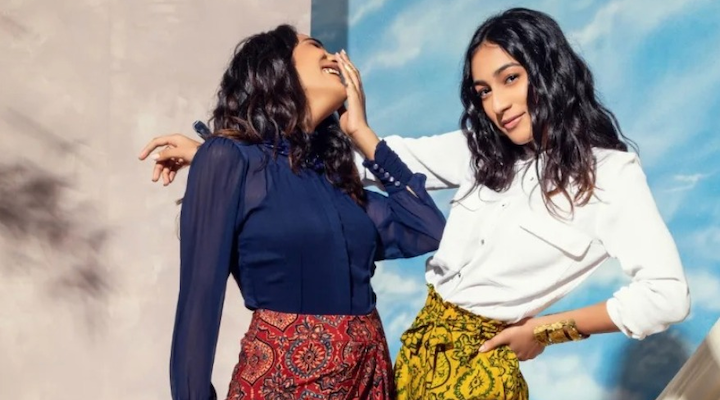
Founded by designer Avani K Chandan, The House of Ara is one such label carving out a distinctive position in India’s increasingly competitive fashion landscape. The brand has gained attention for its ability to translate deeply rooted textile traditions into contemporary, wearable silhouettes without diluting their cultural integrity. Fluid skirts, airy trousers, cinched jackets and tailored outerwear form the backbone of its collections, balancing softness with structure, femininity with str
ength, and visual impact with everyday ease.
The House of Ara works with time-honored techniques such as Leheriya, Bandhej (Bandhani), Kantha and Ajrakh, crafts that are often relegated to ceremonial or heritage categories, and reimagines them for modern wardrobes.
As The House of Ara enters its next phase of growth, questions around scaling craft, balancing consistency with handmade processes, and building meaningful retail touchpoints come sharply into focus. In a conversation with Inside Retail, Chandan reflects on the brand’s original vision, the gaps it set out to address in India’s ready-to-wear market, and what it takes to build a fast-growing, craft-led label in today’s fashion economy while keeping both artisans and customers at the heart of the business.
Inside Retail: What was the original vision behind The House of Ara, and how has it evolved as the brand has grown?
Avani K Chandan: The original vision behind The House of Ara was to create a contemporary womenswear label rooted in Indian craft, but designed for modern, everyday life. I wanted to move heritage textiles out of occasion-only dressing and into versatile silhouettes that felt relevant, wearable, and global.
As the brand has grown, that vision has evolved into a deeper commitment to slow fashion, focusing not just on design but also on responsible production, mindful scaling, and creating collections with longevity rather than trend dependence.
IR: What gap in the Indian ready-to-wear market were you trying to address when you founded The House of Ara?
AC: There was a clear gap between mass-produced fast fashion and high-end ethnic wear. I wanted to address the lack of thoughtfully designed, sustainably made, ready-to-wear that used Indian textiles in a contemporary, understated way, pieces that could transition across settings without feeling costume-like or overly traditional.
IR: What operational challenges come with working with heritage crafts at scale?
AC: The biggest challenge is balancing consistency with the organic nature of handcrafted processes. Lead times are longer, quality can vary, and artisans work within seasonal and regional constraints. Scaling requires patience, close collaboration, and investing in systems that respect the craft rather than forcing it to behave like an industrial process.
As a fast-growing homegrown label, what have been the most important growth milestones so far?
Some key milestones include building a repeat customer base, receiving recognition from national publications, and successfully presenting our collections through pop-ups and curated retail experiences. Each milestone reaffirmed a growing consumer appetite for thoughtful, craft-led fashion.
IR: What kind of retail or customer touchpoints do you believe are essential for a brand like yours?
AC: Physical touchpoints, such as pop-ups and trunk shows, are crucial because our fabrics and craftsmanship must be experienced firsthand. At the same time, digital platforms play a vital role in storytelling – educating customers about the process, the artisans, and the intention behind each piece.
IR: What does the next phase of growth look like for The House of Ara’s new categories, markets, or scale?
AC: The next phase involves expanding our core categories thoughtfully, exploring select international markets, and strengthening our direct-to-consumer presence. Growth for us is about depth, refining what we do well rather than rapid expansion.
IR: What would you like international audiences and industry stakeholders to understand about Indian craftsmanship today?
AC: Indian craftsmanship is not static or nostalgic; it is living, adaptive, and deeply relevant to contemporary design. When supported correctly, it can meet global quality standards while retaining its soul and individuality.
Further reading: Beyond The Vines founder on what’s next for the brand’s second decade.