
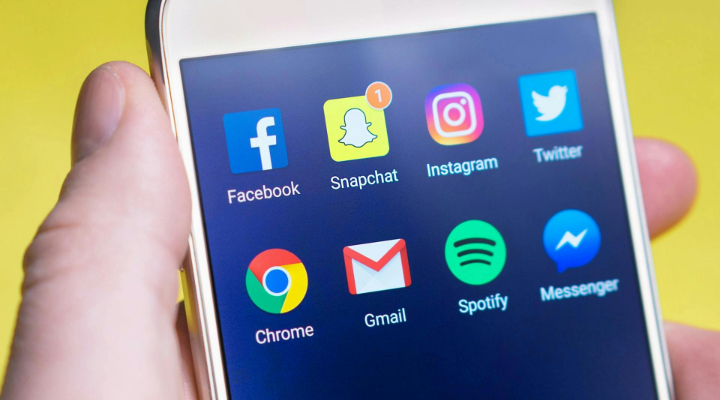
Countries are on the cusp of a structural shift in how younger audiences engage with brands. From December 10, Australia’s Online Safety Amendment Bill will mandate that social media platforms take “reasonable steps” to prevent users under 16 from accessing accounts, while Denmark is set to follow suit, banning children under 15. With other nations potentially set to join the movement, retailers across the globe will be watching closely to see how this will impact physical and online s
nline sales.
Here’s what we know so far.
Fashion retail: real brands, real shifts
Australian brands such as Supré are squarely youth-fashion-focused, targeting younger teens and entry-level consumers. With the under-16 audience inhibited on major platforms, Supré’s seasonal drops and social-influencer “haul” campaigns will face diminished reach among younger teens who are less present or less visible.
Similarly, online specialist Showpo, aimed at late teens/early 20s, has built much of its brand via Instagram and influencer culture. The ripple effect will mean slower viral peaks, less “discover-in-feed” among under-16s, and fewer spontaneous shareable moments from that cohort.
For established multichannel department store Myer, focusing on fashion, accessories and beauty, influencer-led drops targeting 13-to-16-year-olds will need recalibrating. Visibility in teen social feeds will shrink, so in-store activations and loyalty-driven mechanics may need to carry more weight.
F&B retail: altering the demo and the delivery
The same logic applies to snack brands and quick-service restaurants. Promotions that rely on viral teen-driven TikTok/Instagram content (e.g., limited-edition collabs, “Instagrammable” menu items, TikTok dance challenges) will see a smaller audience on under-16 feeds. Retailers like fast-food chains or café groups will need to diversify the mechanisms for igniting trends.
For instance, a snack drop marketed primarily through 14-to-15-year-old creators may now need to shift to 16-to-24-year-old creators, gamified in-store QR codes, or peer-referral drives rather than pure feed virality. F&B brands must assume that under-16s are less reachable on regulated platforms and thus pivot their activation logic.
What retailers reliant on social to build teen audiences must do
While the social media ban for under-16s will undoubtedly affect retailers, there are steps you can take now to mitigate its impact.
Diversify platform mix: Explore alternative channels outside the age-restricted list, such as gaming ecosystems, streaming communities, and messaging apps with age-friendly consent models.
Shift youth target band to 16-24: Recognize that platforms will still engage older teens (16+). Tailor creative, tone and community to that slightly older cohort and try to drive their influence over the younger cohort. Could we see the rise of 16-to-18-year-old influencers as their voices cascade down to younger cohorts?
Boost offline/experiential hooks: For both physical stores and online-driven pick-ups, ramp up in-store events, AR mirror experiences, QR hunt codes – mechanics that don’t rely purely on social-media feed presence.
Brand collaborations and micro-influencers: Instead of mass-teen influencer campaigns, lean on micro-creators aged 16-to-20, or localized store-teams, peer ambassadors, and user-generated content within brand-owned networks.
Re-forecast measurement and expectations: Monitor changes in reach and engagement among under-16s before and after the law comes into effect. Adjust benchmarking and shift promotional spend accordingly.
The new social-media age laws are not a minor compliance task; they prompt a fundamental rethink of how young consumer culture is reached, activated and monetized.
Retailers that pivot early by expanding their youth-zone strategy beyond “feed first under-16s” to embrace omnichannel youth culture 16+ will maintain momentum. The ones who wait risk losing touch with the very generation that defines tomorrow’s purchasing cohort.
Simon Porter is the head of retail at media agency Hatched.
Further reading: World-first teen social media ban forces content creators to flee