
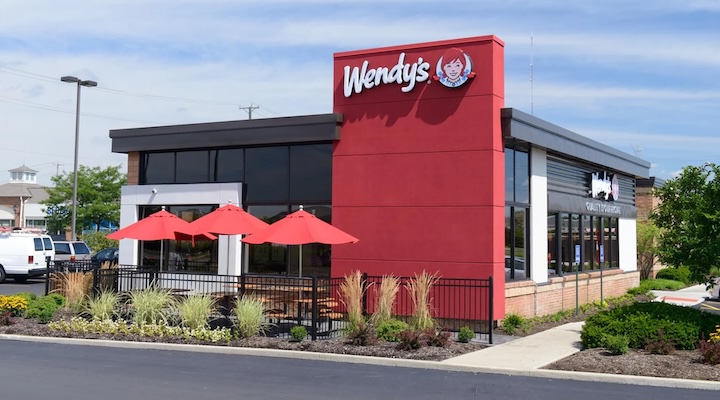
Wendy’s has rejected an acquisition proposal from an investor group led by Trian Partners, arguing that the offer significantly “undervalues the company’s standalone prospects and long-term earnings potential”.
The decision comes as the US burger chain reports another challenging quarter, with declining sales, weaker restaurant margins and a sharp drop in net income, while launching a multi-year turnaround strategy aimed at restoring growth and profitability.
The independent committee of Wendy’s board unanimously rejected the group’s unsolicited, non-binding offer of $7.35 per share in cash. The consortium also includes Flynn Group, BlueFive Capital and Sixth Street Partners. The proposal covers shares not already owned by the investor group.
Last month, Wendy’s received a $1.4 billion takeover proposal from Trian Partners, the investment firm of billionaire Nelson Peltz. Trian already owns 16.3 per cent of Wendy’s.
“The Independent Committee thoroughly evaluated this proposal and unanimously concluded that it substantially undervalues Wendy’s standalone prospects and long-term earnings potential,” said Art Winkleblack, chairman of the board and a member of the independent committee.
Betting on its new strategy
Wendy’s believes its new strategy, known as Dave’s Way, can create greater shareholder value than the proposed deal. Under CEO Bob Wright, the plan focuses on five priorities: improving menu quality and value, strengthening marketing, achieving operational excellence, enhancing digital customer experiences and making restaurants the primary driver of growth.
“Our confidence rests firmly in Bob Wright’s proven track record of seasoned industry leadership, including restaurant business turnarounds,” Winkleblack added.
“We believe in Bob and his executive team’s ability to execute on the plan they recently presented to our franchisees at the 2026 Wendy’s convention. “
Wendy’s reported revenue of $547 million, down 0.5 per cent year over year, while net income plunged 65.9 per cent to $15.1 million. Global systemwide sales declined 5.9 per cent, with US same-restaurant sales falling 5.7 per cent.