Target plans to invest $2 billion in AI, stores, and guest experience, among other initiatives, as the retail giant seeks to turn around its sales slump.
CEO Michael Fiddelke unveiled the multi-year strategy during the company’s financial community meeting on Tuesday.
The plans include an incremental $1 billion operating investment this year, with increased funding for AI, new technology and brand marketing, further store changes, and additional store payroll and training.
The retailer will also increase its capital investment by more than $1 billion to support the opening of more than 30 new stores and over 130 planned full-store remodels this year, as well as to improve its supply chain.
The strategy also includes category-led growth initiatives as the company aims to boost “merchandising authority” with assortment refreshes across high-margin categories.
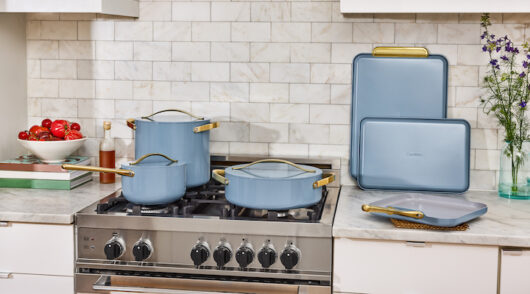
These include the relaunch of the owned brand Threshold for the home category, the introduction of Target Beauty Studio and additional beauty brands, a premium boutique format for baby, an increase in newness in assortment for F&B, and new items for health and wellness.
In addition, the company will evolve its Target Circle loyalty program and further scale the Target Circle 360 membership program, the retail media network Roundel, and the third-party marketplace Target Plus. It will also enhance speed and efficiency across its same-day fulfillment services and expand the reach of its next-day brown box delivery.
“This new chapter of growth at Target is defined by clear choices and rooted in a deeper understanding of our unique lane in retail, the guests we serve and the areas where we’re distinctly positioned to win,” said Fiddelke.
Sales slump continues
The investment announcement comes as the retail giant saw its sales decline extend in the fourth quarter.
Net sales for the quarter ended January 31 slid 1.5 per cent year-on-year to $30.5 billion, following a similar drop in the third quarter. Comparable sales decreased 2.5 per cent, with comparable store sales down 3.9 per cent and comparable digital sales up 1.9 per cent.
According to GlobalData MD Neil Saunders, Target underperformed over the holiday quarter, given that the overall market grew 3.4 per cent.
“While expected, this continues a long-established pattern: In a tough trading environment, Target is struggling to show up for customers in a consistent and compelling way.
“There are too many out of stocks, too little inspiration in ranges, too much muddle and mess in stores. And all these things are eroding sales,” the analyst said.
On the bottom line, operating income decreased 5.9 per cent and net income fell 5.2 per cent.
For the full year, net sales decreased 1.7 per cent to $104.8 billion, and comparable sales dropped 2.6 per cent. Net earnings plunged 9.4 per cent.
Saunders said the latest investment strategy shows that management has acknowledged the problem and wants to fix things.
“Can Target turn things around? It won’t be plain sailing, as issues like investing at a time of compressed profit margins will need to be squared away. And customer trust will need to be rebuilt.
“However, goodwill for the Target brand remains, and if customers are presented with something better, they will, over time, respond positively,” he said.
For the new fiscal year, Target expects net sales growth of approximately 2 per cent, driven by new stores and a small increase in comparable sales.