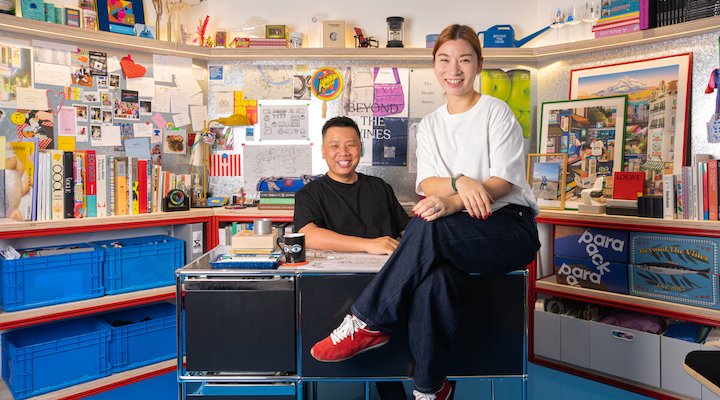
As retailers across Asia continue to prioritize digital channels, some brands are reassessing the role of physical stores in long-term growth. One of them is Singapore-based Beyond The Vines, which has recently ramped up expansion in Shanghai, Shinjuku and Changi Airport Terminal 3. Founded by Rebecca Ting and Daniel Chew, BTV has grown from a small Singaporean label into a regional name recognized for its functional design philosophy and cult-loved products such as the Dumpling Bag. Now marking
arking its 10th anniversary, BTV stands at an inflection point. Its decision to invest further into physical retail reflects the maturation of Singapore’s design economy as local brands gain the confidence to compete on the world stage with originality rather than imitation.
In this Q&A, Inside Retail speaks with co-founder and creative director Rebecca Ting about how the brand identifies new markets, why physical stores remain central to long-term growth, how community engagement is shaping its product evolution and what the next decade of the BTV universe might look like.
Inside Retail: BTV has opened new stores in Shanghai, Shinjuku and Changi Airport T3. How do you determine which markets are ready for BTV’s next phase of growth?
Rebecca Ting: Social media is honestly one of the indicators for us. We look closely at where our Instagram and TikTok audiences are based, how they’re engaging with us, and which countries are naturally reciprocating excitement. When we see consistent growth, strong saves and shares, or even conversations happening in a particular market, it tells us the brand is already resonating there, even before we enter physically.
Influencer marketing is another driving factor. We often test small seeding projects in different markets just to get a sense of how people respond. Sometimes, even one creator can shift the needle and give us a very clear read on cultural fit, appetite, and how quickly the community rallies around the brand.
Pop-ups then become an important next step. Japan is a great example. Before opening our first permanent store at Shinjuku Marui, we spent years running pop-ups across Tokyo. It allowed us to meet the community in person, understand buying behavior, and build trust slowly and intentionally. That process gave us the confidence to commit to a long-term presence.
IR: What role does each new location play in shaping the brand’s global presence or storytelling?
RT: Each market adds a different layer to our brand story. People connect with BTV in their own ways; some love the collectability of our colors and drops, while others see our pieces as reliable everyday companions. These nuances shape how we communicate in each region, but together they build a global narrative that still feels distinctly BTV.
What’s been beautiful to see is how every new location contributes its own energy and interpretation of the brand. Whether it’s Tokyo, Shanghai, or Singapore, the common thread is a shared appreciation for thoughtful, functional design, and that’s what anchors the entire BTV universe, no matter where we go.
IR: In a digital-first world, what makes physical stores so central to BTV’s strategy? What insights or feedback have you gained from physical retail that you couldn’t have captured online?
RT: We’ve always believed in physical retail because design is tactile. You need to touch, try, and feel the weight of an object; that’s how a real connection with a brand happens. Our spaces are also places to just be, to chat with our crew, explore, or simply hang out.
We have a special group we call our BTV BFFs, our most loyal supporters, and so many of those relationships began in-store. From celebrating their birthdays to inviting them to private product launches, these real-life touchpoints have been invaluable in shaping our community. None of that would have been possible without physical retail.
IR: How do you view the relationship between the physical store experience and long-term customer loyalty and connection, particularly for a brand with a strong digital presence?
RT: Our dedicated Customer Service Team plays a huge role here. They know many of our regulars and BFFs by name globally. They’re behind our livestreams and DMs, and they’re also physically on the ground at launches and events, greeting customers personally and building real relationships.
Community is truly at the heart of what we do, and this seamless online-to-offline connection is made possible because we value those face-to-face interactions just as much as our digital touchpoints.
IR: How has your approach to design evolved as your audience has grown more global and diverse?
RT: We spend a lot of time thinking about how people actually live, from what they carry to how they move through their day, and what would genuinely make life a little easier. Whether it’s something packable, reversible, or built with the right compartments, every detail is carefully considered. Good design, to us, starts with understanding real needs.
We also listen very closely to our community. Their feedback shapes so much of what we do. The Dumpling Bag, for example, has gone through multiple iterations over the years, and many of those improvements came directly from conversations with our customers. It’s a very collaborative process, and we love that the community plays such an active role in how our products evolve.
IR: How does being a Singaporean brand influence your design language, and how do international audiences respond to that?
RT: Being Singaporean naturally shapes our design philosophy. We’re from a culture that values practicality, resourcefulness and wit. We grew up around everyday objects that are quietly brilliant in how they function, and that sensibility shows up in our work.
International audiences respond well to this balance of function and fun, featuring clean lines, bold color play, and humor in the small details. There’s something universal about objects that simply make sense, while also bringing joy.
IR: BTV is marking its 10th anniversary this year. Looking back, what have been the biggest lessons or turning points in your evolution?
RT: To never rush processes. Building trust with a new market takes time; refining a product takes time; growing a brand sustainably takes time. Some of our biggest turning points came from allowing things to unfold with intention, being patient, listening closely to our community, and staying grounded in our values instead of chasing trends.
And through it all, we’ve learned that consistency, sincerity, and clarity of vision matter more than speed.
IR: And looking ahead, what’s next for Beyond The Vines?
RT: We’re always exploring what good design could look like beyond what we already do. For us, it’s about expanding the BTV universe, growing thoughtfully, connecting with more communities around the world, and continuing to make good design accessible in new and unexpected ways.
At the heart of it, we’ve always wanted to build a global lifestyle brand that feels grounded wherever it lands. And of course, we’re always excited by the idea of collaboration, when different worlds come together, that’s when the magic really happens.
Further reading: Singaporean fashion brand Beyond The Vines sets sights on new markets.